Skip to content

Cart

Your cart is empty

Continue shopping

10% off

When you sign up for our newsletter.

Sign up

Collect Sound Credits

5 Sound Credits per euro, redeemable for singing bowls and sets.

Learn more

Sale

Reduced items from our range.

Shop the sale
For precise sound shaping

Mallets for Singing Bowls

The right mallet for your singing bowl has a major influence on sound, volume and vibration behavior. The sound depends on the nature of the mallet. While large, soft felt mallets produce lower tones, the sound is higher with small, hard felt or rubber mallets. The volume and duration of the sound also vary depending on the mallet. At Hess Sound you will find high-quality singing bowl mallets in different designs, suitable for small meditation singing bowls as well as for large Therapy Singing Bowls.

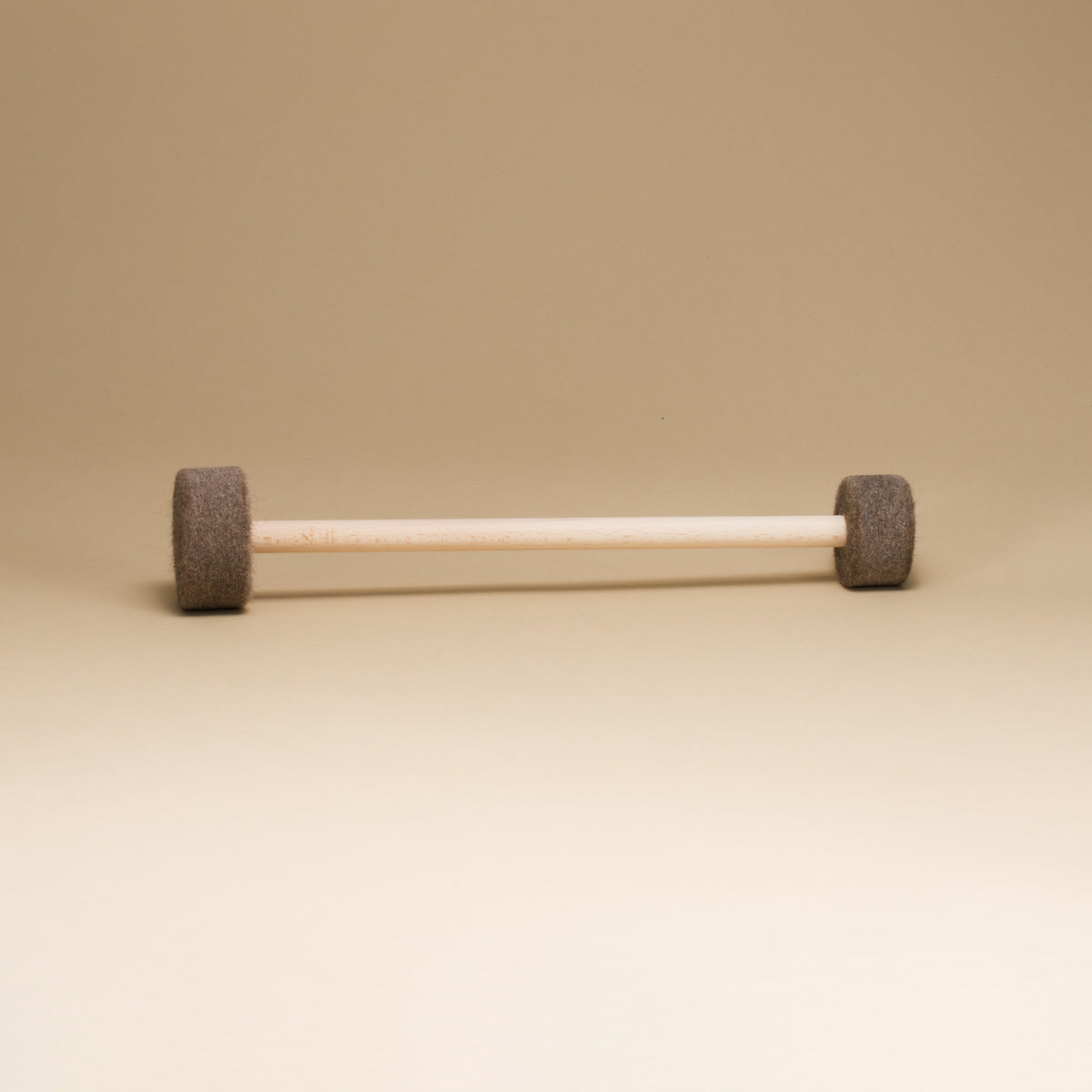
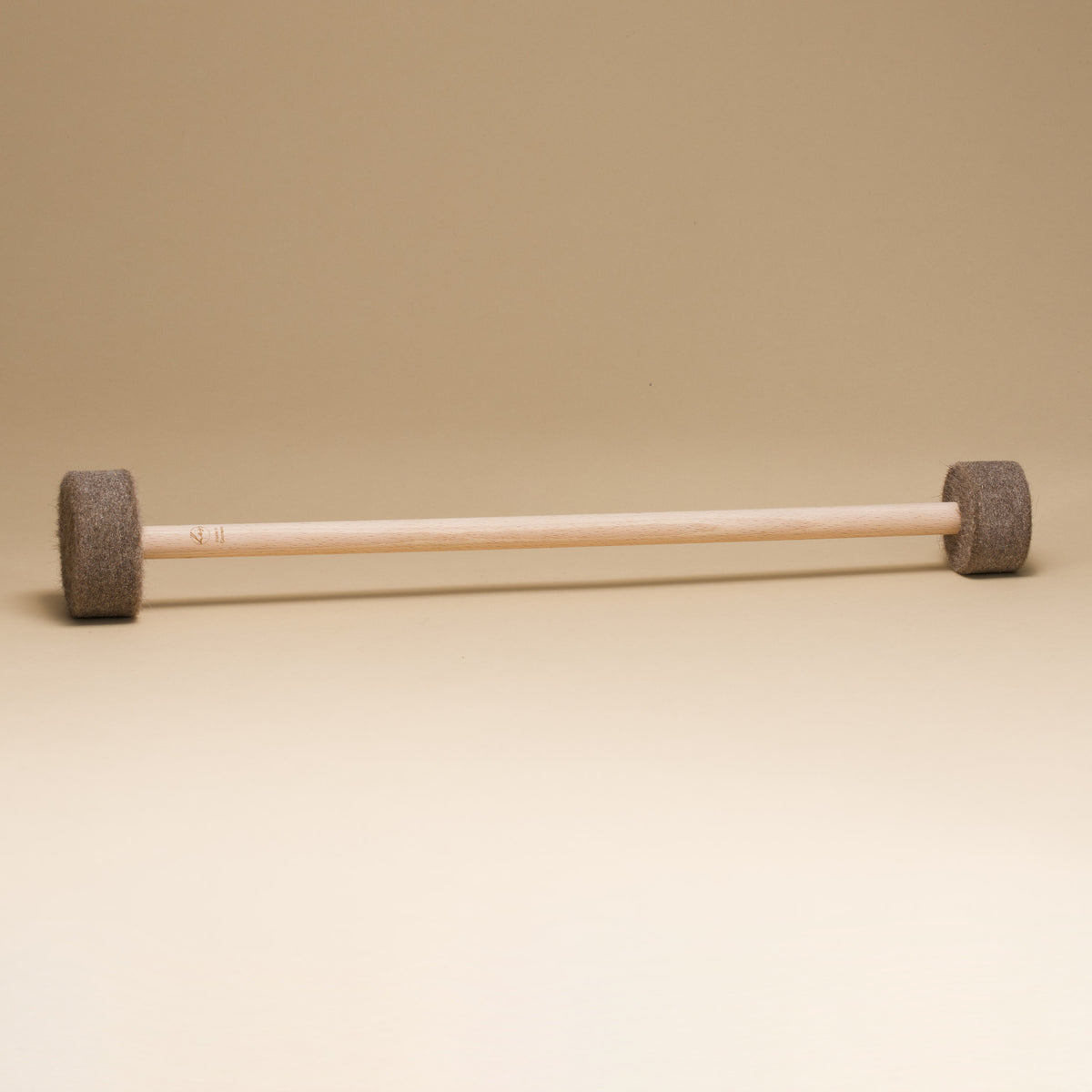
Hess Sound Double Felt Mallet
PriceFrom 29,50 €
Hess Sound Felt Mallet
PriceFrom 13,49 €
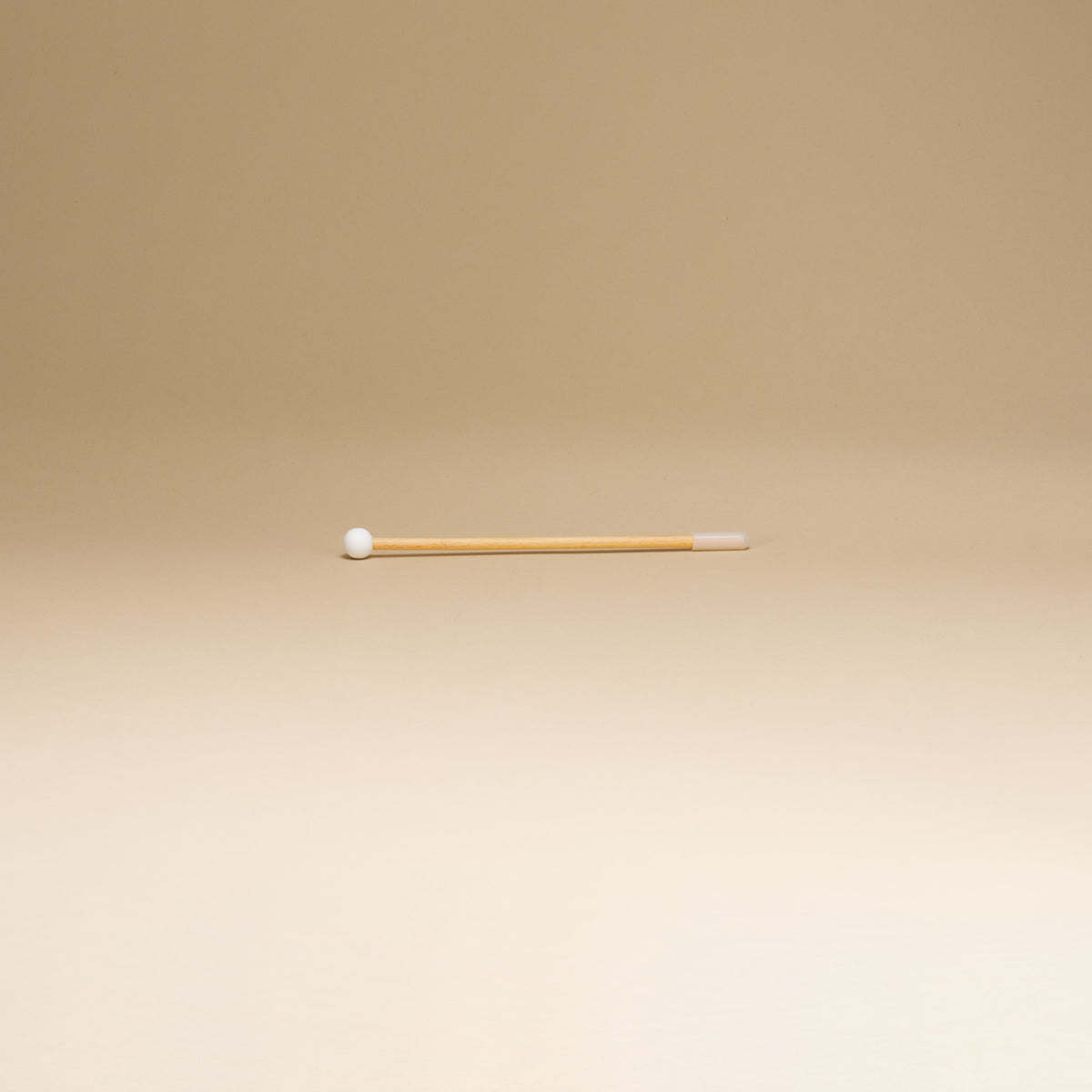
Hess Sound Double Mallet with Felt & Silicone Ball / Felt & Rubber Ball
Hess Sound Singing Bowl Friction Mallet with Aluminum Core
Hess Sound Singing Bowl Friction Mallet Made of Beech Wood
Plush Mallet with Rubber Core
PriceFrom 18,90 €
Felt Mallet, Medium Firmness
PriceFrom 10,90 €
Hess Sound Felt Mallet, Small
PriceFrom 8,50 €
Hess Sound Double Felt Mallet for Kids
Hess Sound Hard Felt Mallet, Small
PriceFrom 6,50 €
Hess Sound Double Mallet with Felt Balls
Hess Sound pure line Mallet
PriceFrom 8,90 €
We are here to help

Not sure what's right for you?

Get in touch with us. Our team is happy to help.

Ask us your question

Send us your request and we will take care of it.

Singing Bowl Finder

Which mallet should I buy for my singing bowl?

Which mallet you should buy for your singing bowl depends on the size, weight, sound character and area of use of your singing bowl. As a rule of thumb: small singing bowls are often played with smaller, lighter mallets, while larger singing bowls usually unfold their sound spectrum with softer and larger mallets. In our product descriptions you will find recommendations that help you buy the right mallet for your singing bowl.

In the Hess Sound online shop you will find mallets for many original Peter Hess® Singing Bowls and Hess Sound singing bowls: Therapy Singing Bowls, meditation singing bowls, Sound Bath Singing Bowls and more.

Which mallets suit small, medium and large singing bowls?

Small singing bowls such as the Tiny Bowls, Zen, Assam or Head Bowls from Peter Hess® are particularly easy to play with small mallets (Ø 20–30 mm). Medium-sized singing bowls such as the Throat Bowl, Heart Bowl, Universal Bowl or smaller Sangha Singing Bowls usually harmonize ideally with mallets 35–50 mm in diameter. Large singing bowls, such as the Large Pelvic Bowl or the large Sangha Singing Bowl, unfold their particularly warm and deep sound with mallets of Ø 50–60 mm.

Which singing bowl mallet is suitable for beginners?

Felt or softer rubber-head mallets are well suited for beginners. They allow a pleasant, warm sound and prevent harsh striking noises. The choice of singing bowl mallet depends on the size and weight of your singing bowl: small singing bowls need lighter, small mallets, large singing bowls sound best with heavy, large mallets. If you use singing bowls of different sizes, medium-sized mallets (Ø 30–40 mm) are often a versatile choice. You can use them for different singing bowl models. In our product descriptions you will find recommendations on which mallet suits your singing bowl best.

How does the material of the mallet influence the sound?

The material of the mallet has a major influence on the sound of your singing bowl. Wooden mallets produce a high, clear sound rich in overtones. The somewhat softer rubber-head or silicone mallets produce, depending on hardness and size, softer, powerful and very clear tones. Felt mallets produce a gentler and warm fundamental tone. They are often used in sound massages, singing bowl meditations and imagery journeys.

How do you use a singing bowl with a mallet?

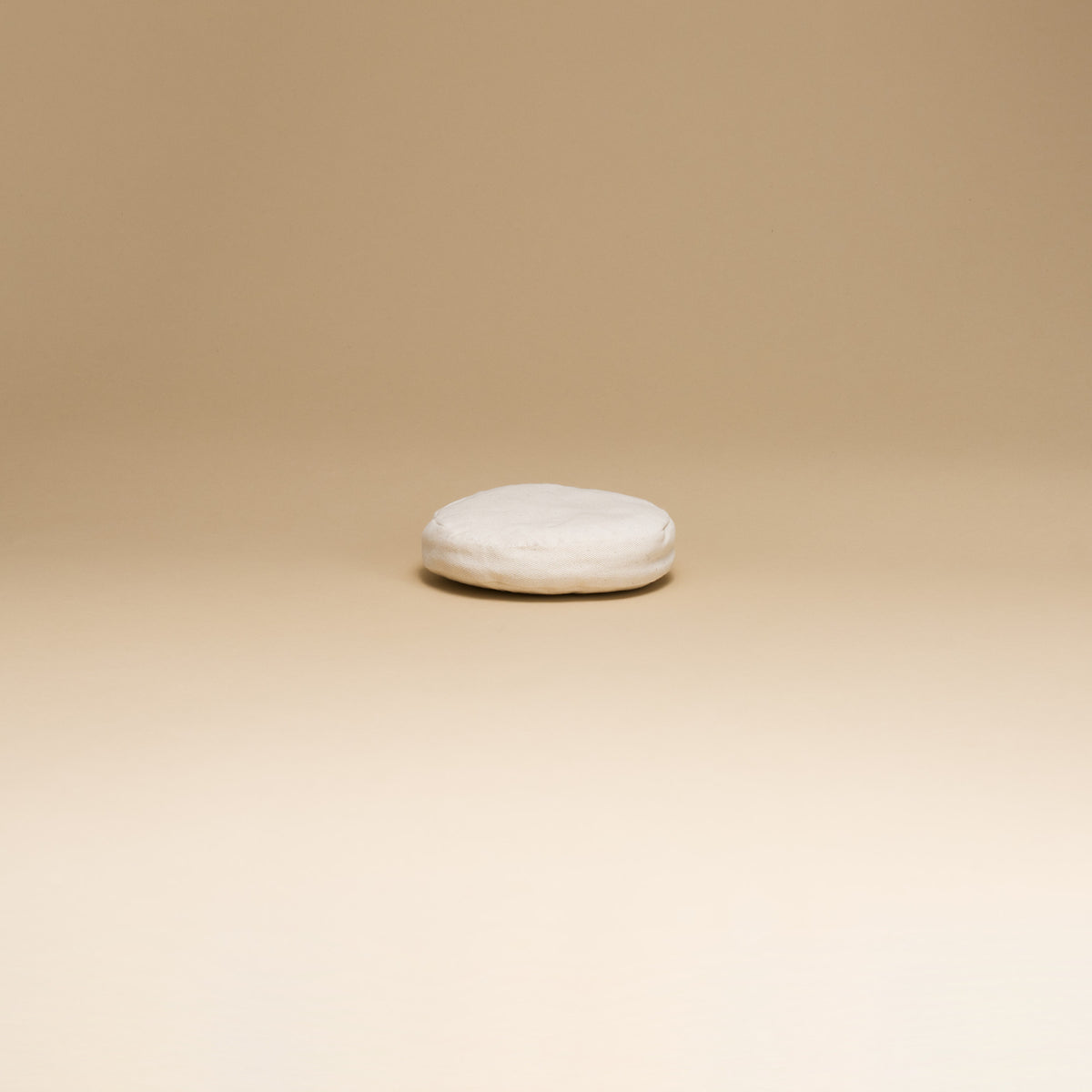
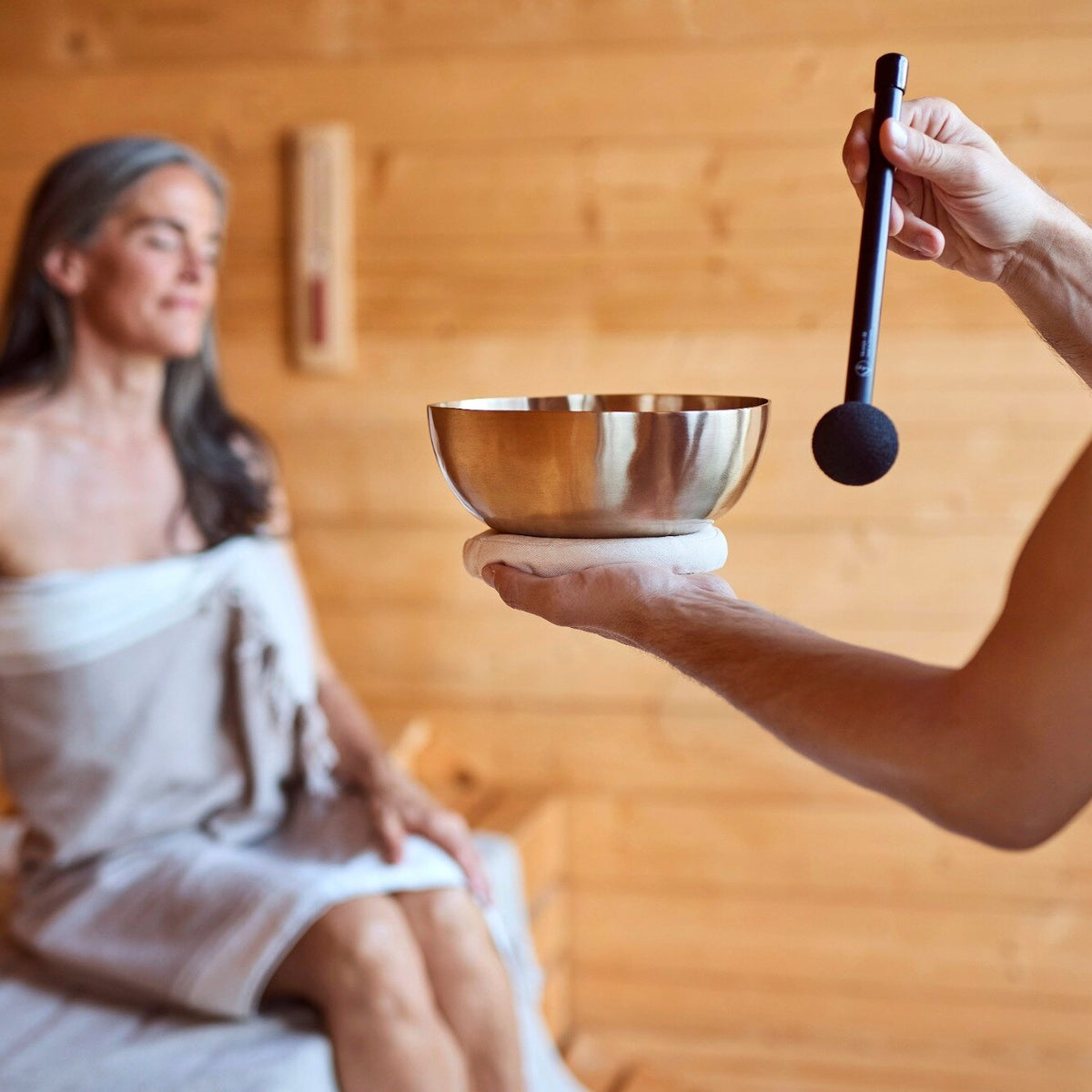
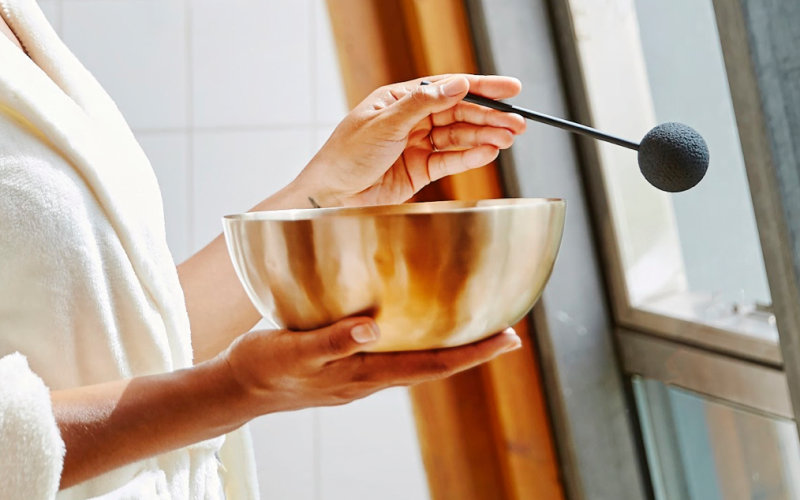
Place the singing bowl on your flat hand and make sure your fingers do not touch the singing bowl. Alternatively, you can place it on a singing bowl cushion or a felt coaster.

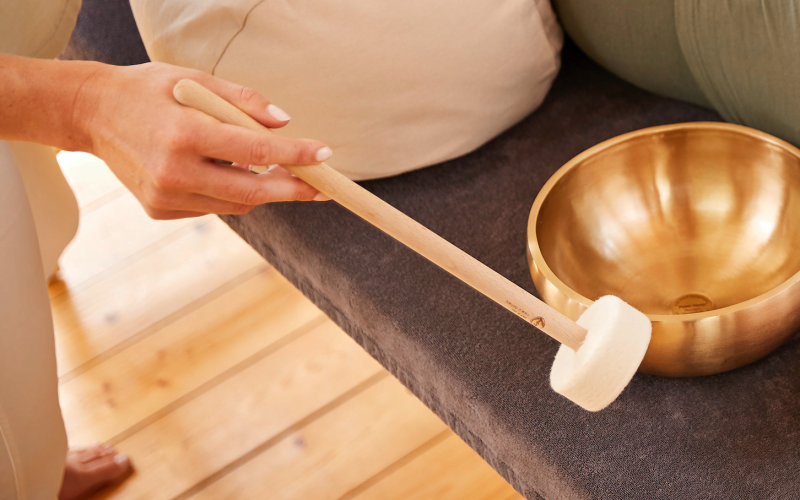
Hold the mallet loosely in your hand and bring it parallel to the rim of the singing bowl. Briefly strike the singing bowl on the upper rim and pull the mallet back during the same movement. The sound changes depending on the strength of the strike and the mallet used. A soft mallet usually produces a fuller, gentler and deeper sound, while a harder mallet brings out the higher frequencies of the singing bowl more strongly. With a little practice, you will quickly find the striking technique that suits your singing bowl best.

In our guide article “Using singing bowls” you will find even more tips on striking or rubbing your singing bowl correctly.

How do you play a singing bowl without a mallet?

A singing bowl should not be played without a suitable mallet. For a singing bowl to unfold its full sound, you should always play it with a mallet suitable for singing bowls. Besides a mallet, you can also use singing bowl friction mallets. To do this, move the friction mallet in a circular motion along the rim of the singing bowl to set it vibrating.