Skip to content

Cart

Your cart is empty

Continue shopping

10% off

When you sign up for our newsletter.

Sign up

Collect Sound Credits

5 Sound Credits per euro, redeemable for singing bowls and sets.

Learn more

Sale

Reduced items from our range.

Shop the sale
Soft, warm strike

Felt Mallets

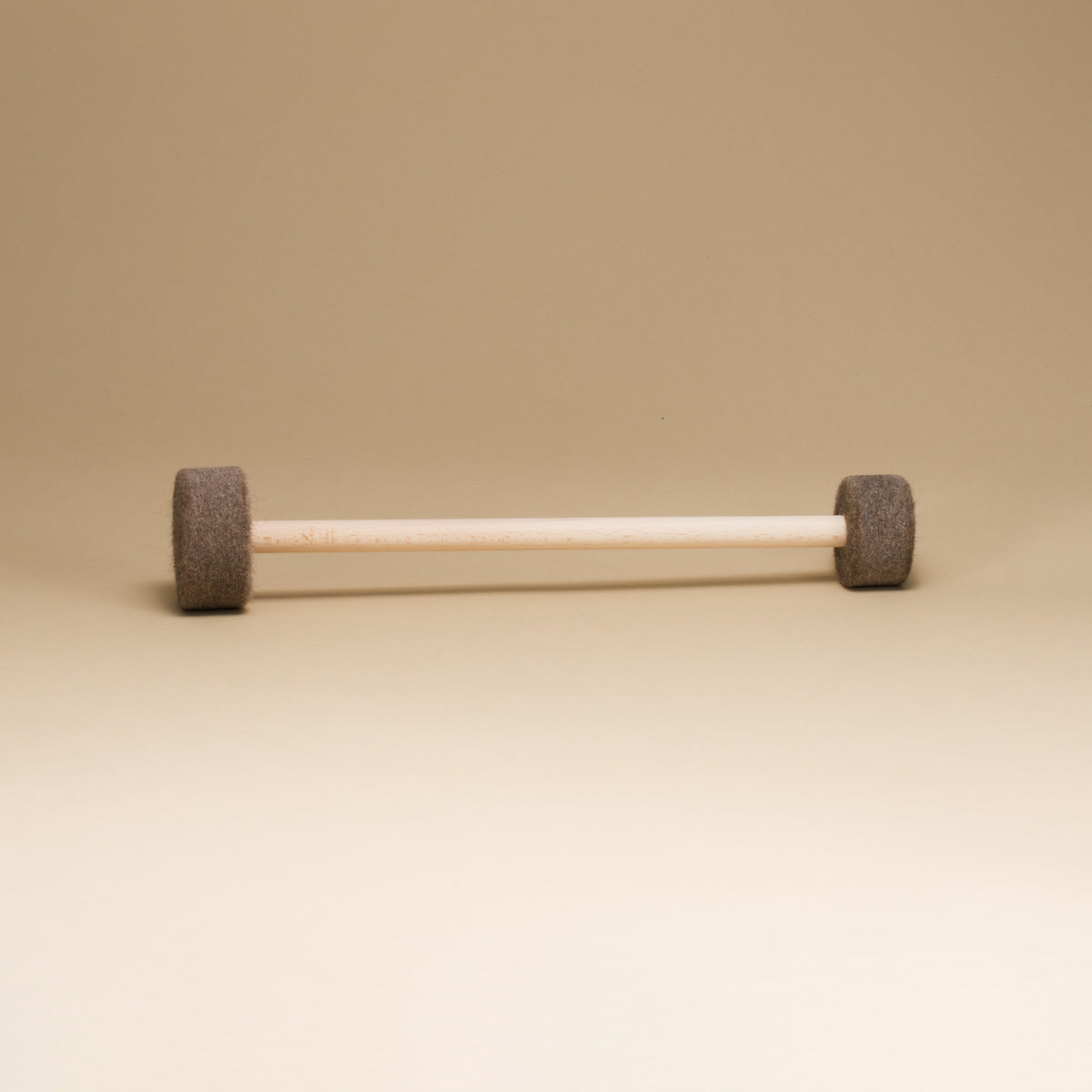
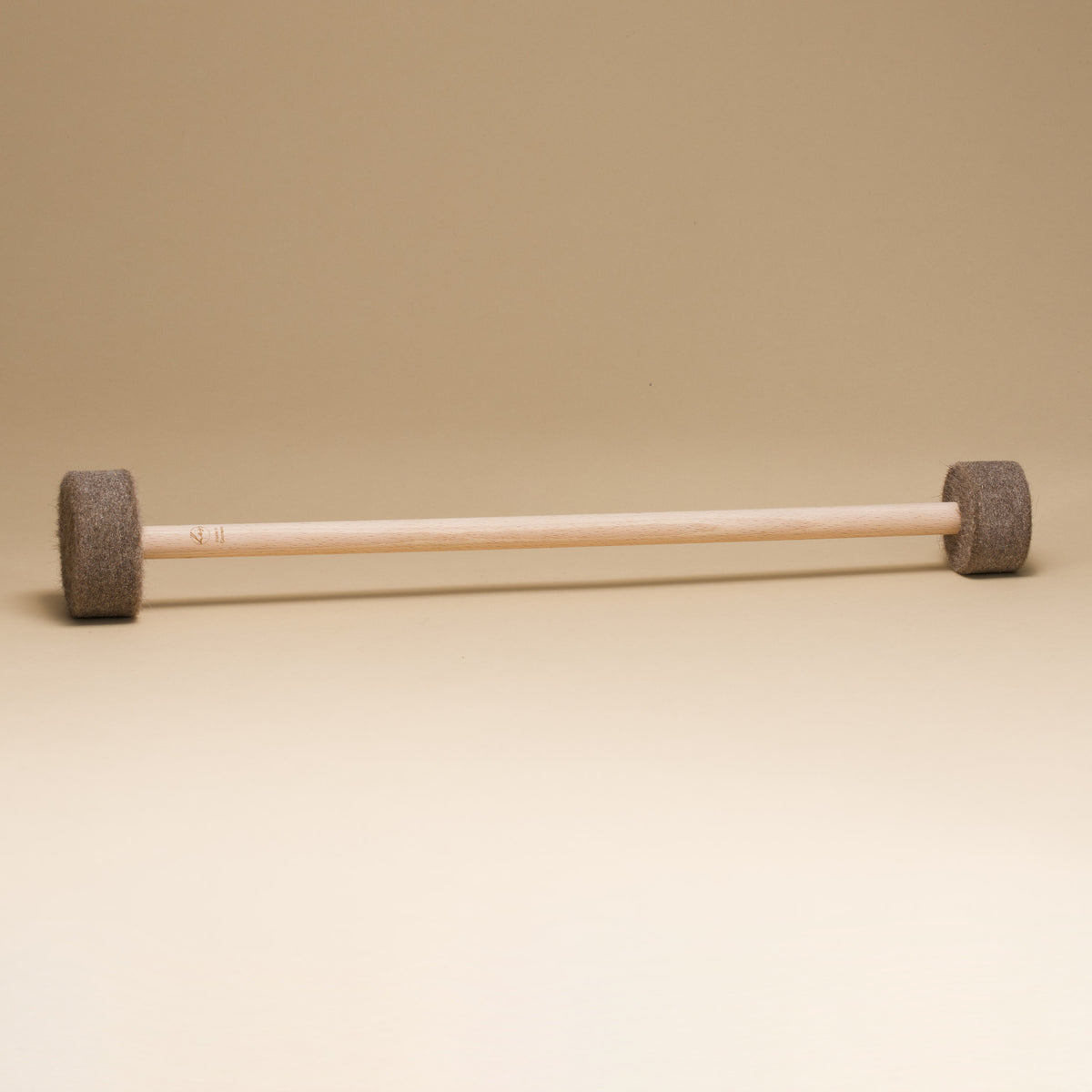
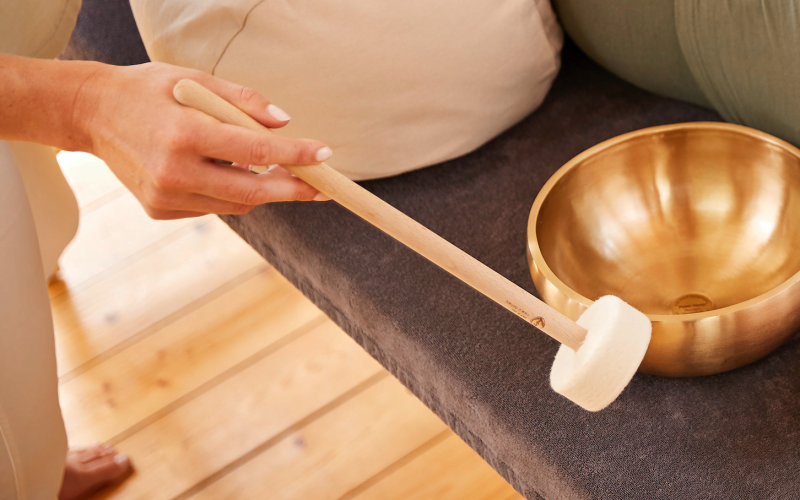
A felt mallet produces a long-lasting, harmonious tone on your singing bowl. The softer the felt of your mallet, the gentler and lower the sound. Use soft felt mallets for thin-walled singing bowls and medium-hard or hard felt mallets for thick-walled singing bowls. Felt mallets are often used in sound massage to strike Therapy Singing Bowls.

Hess Sound Double Felt Mallet
PriceFrom 29,50 €
Hess Sound Felt Mallet
PriceFrom 13,49 €
Hess Sound Double Mallet with Felt & Silicone Ball / Felt & Rubber Ball
Felt Mallet, Medium Firmness
PriceFrom 10,90 €
Hess Sound Felt Mallet, Small
PriceFrom 8,50 €
Hess Sound Double Felt Mallet for Kids
Hess Sound Hard Felt Mallet, Small
PriceFrom 6,50 €
Hess Sound Double Mallet with Felt Balls
Felt Ball for ollihess Pro Gong Mallet M70
We are here to help

Not sure what's right for you?

Get in touch with us. Our team is happy to help.

Ask us your question

Send us your request and we will take care of it.

Singing Bowl Finder

Which felt mallet suits my singing bowl?

Which felt mallet is right for your singing bowl depends on its size, wall thickness, area of use and the desired sound. In general, felt mallets are often used in sound massage to strike Therapy Singing Bowls.

As a rule of thumb: the larger and heavier your singing bowl, the larger, softer and heavier the felt mallet should be. A mallet that is too small can make a large singing bowl sound tinny, while a singing bowl mallet that is too large can muffle the tone of a small singing bowl. For thin-walled singing bowls such as the Universal Bowl, softer felt mallets are more suitable, and for thick-walled singing bowls such as the Small Heart Bowl or the Large Heart Bowl, medium-hard or hard felt mallets. In our product descriptions you will find detailed recommendations on which felt mallet suits your singing bowl.

How does the hardness of the felt mallet influence the sound?

The softer the felt of a mallet, the gentler and warmer the sound usually unfolds. A soft felt mallet brings out the fundamental tone of the singing bowl more strongly. A harder felt mallet produces a more direct strike and makes it easier for you to play higher frequencies and overtones. A combination of different felt mallets allows you to bring out a wide variety of timbres on your singing bowl.

How do you use a felt mallet for singing bowls?

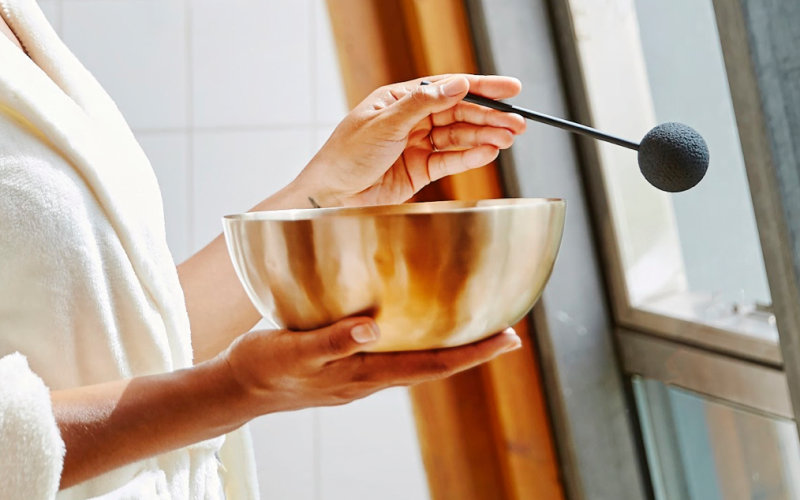
Place your singing bowl on your flat hand without your fingers touching the singing bowl. Hold the felt mallet loosely in your other hand and briefly strike the singing bowl on the upper rim. Play from the wrist, not from the whole arm. Then pull the mallet straight back so that the singing bowl can vibrate freely. The strength of the strike and the position of the mallet head have a decisive influence on the volume and sound character.

Which felt mallet should I buy?

If you want to buy a felt mallet, you should choose it primarily to suit your singing bowl, your needs and the sound you want.

When choosing a felt mallet, pay particular attention to the following:

Hardness of the felt
If you prefer a warm and gentle sound, we recommend a softer felt mallet. If you would like to create a clearer and more direct sound with more overtones, a harder felt mallet may be the better choice.

Single mallet or double mallet
If you would like more varied sounds, work with several singing bowls or want to use the mallet in sound meditations, sound massages or sound therapies, a double mallet is often a good choice.

Handle length
Longer handles can give more momentum than shorter ones. That is why felt mallets with longer handles are often used for larger singing bowls and those with shorter handles for smaller ones.