

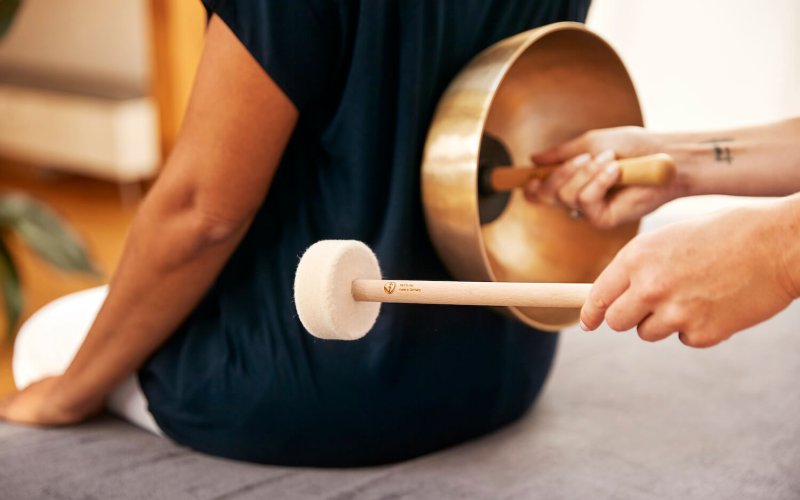
How does singing bowl therapy according to Hess work?
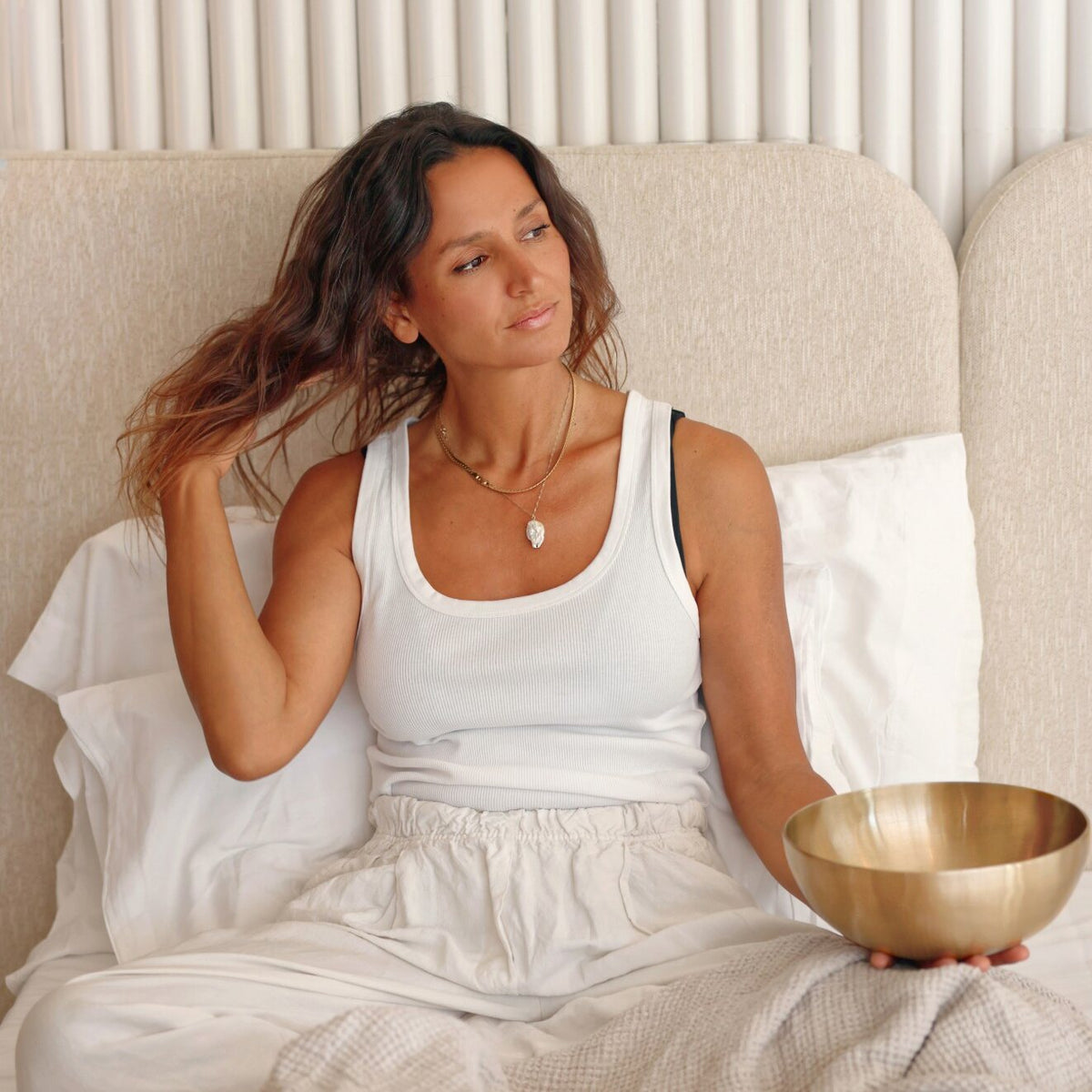
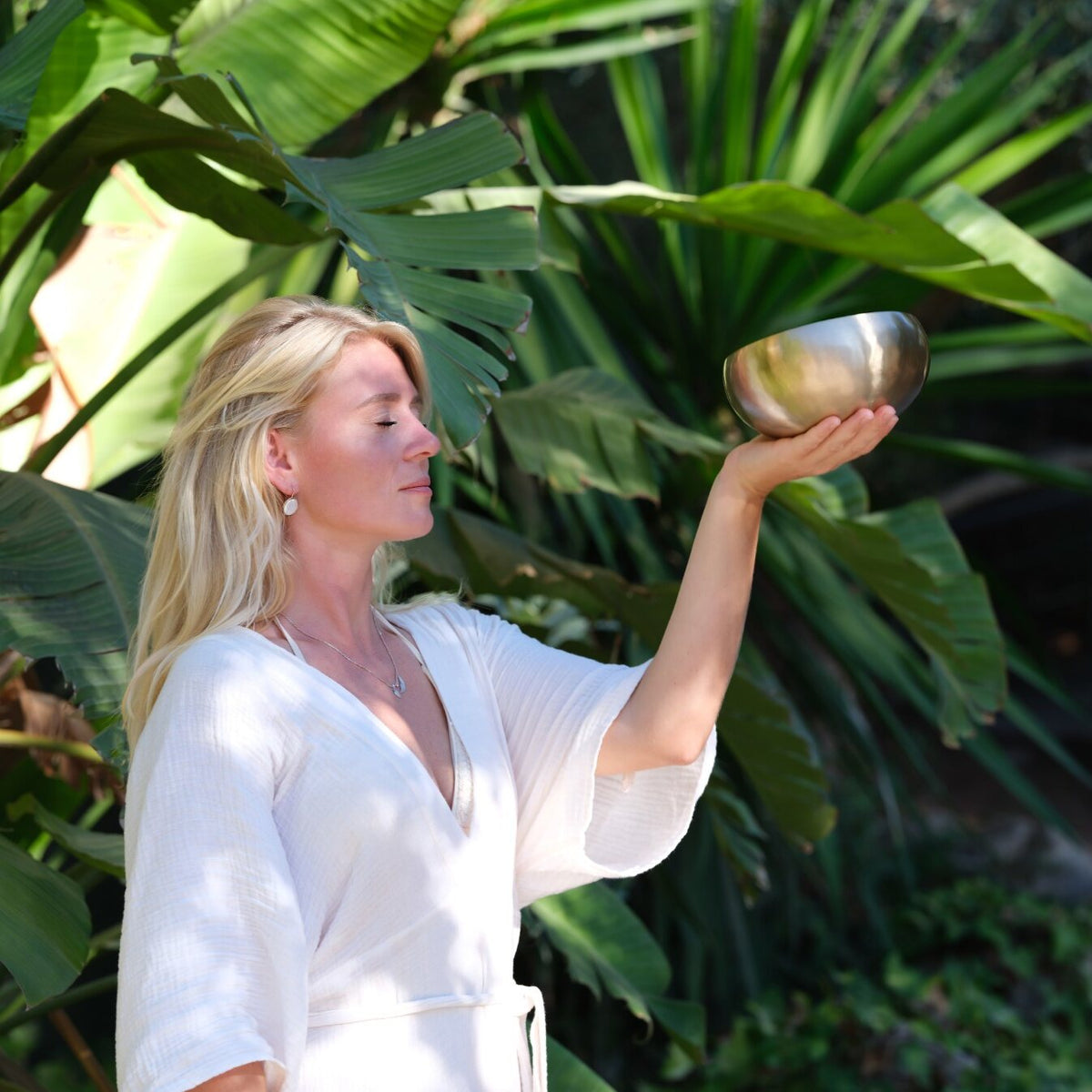
The basis of the Peter Hess® Sound Methods is the Sound Massage with Therapy Singing Bowls. The Sound Massage can contribute to the harmonization of body, mind and soul and thus strengthen the self-healing powers. This has been confirmed by modern conventional medicine, especially in multimodal therapies.
Good to know
Sounds are perceived individually and can evoke different sensations. In sound work, the focus is on consciously perceiving these experiences.
The aim of singing bowl therapy according to Hess is to put people in a state of rest through sounds, enabling them to completely switch off, relax and leave everyday stress behind, and also to listen to their inner voice through a body awareness: What is moving the subconscious? Where are there mental blocks or barriers? With the help of a trained sound therapist, blockages can be overcome holistically.
The application of singing bowl therapy according to Hess is suitable for professional groups such as occupational therapists, physiotherapists and speech therapists as well as alternative practitioners and psychologists. The sound methods can be regarded and applied both as a supplement to the respective form of therapy and as an independent method. The sound settings taught in the training courses at the Peter Hess® Institute combine to form a flexible consulting and therapy concept. This can be individually varied in the support, consultation and therapy of children, adolescents, families or adults.
What are sound settings?
Sound settings define the framework in which the application of sound takes place and is experienced.
"An important aspect of body- and body-psychotherapeutic-oriented sound therapy is the strengthening of basic trust. Basic trust means being in contact with your own feelings. The sounds and their creative use enable a positive attitude towards oneself. By releasing the tension on the physical level, the original powers of the soul are released again."
Ulrich Krause, Professional Association Sound-Massage-Therapy e.V.

Effect of singing bowl therapy
Working with singing bowls belongs to the field of biophysical order therapy and is based on the idea that living beings are ultimately oscillating systems. Every person has their own vibration patterns, both at the cellular level, via tissue structures and organ-related. These vibration patterns communicate with each other and influence each other.
The overtone-rich, long-resonating sounds of singing bowls accompany exercises for rest and relaxation. How you experience them is individual. If you have persistent physical or psychological complaints, please consult your doctor.
In our video, Peter Hess personally explains the effect that sound therapy, such as sound massage, can have on our body and mind.

The effect of sound therapy is also reflected in the relationship between therapist and patient: Professionals who integratively use sound in a psychological professional field have confirmed that patients reach a state of calm through sound settings before a conversation therapy, which has a positive effect on the course of treatment and represents a confidence-building measure.
"The use of singing bowls is an effective therapeutic tool, a holistic addition to therapeutic interventions. The effect of the singing bowls with appropriate settings can significantly facilitate access to the patient and increase the effect of interventions."
Ulrich Krause
Which instruments are used in sound therapy?
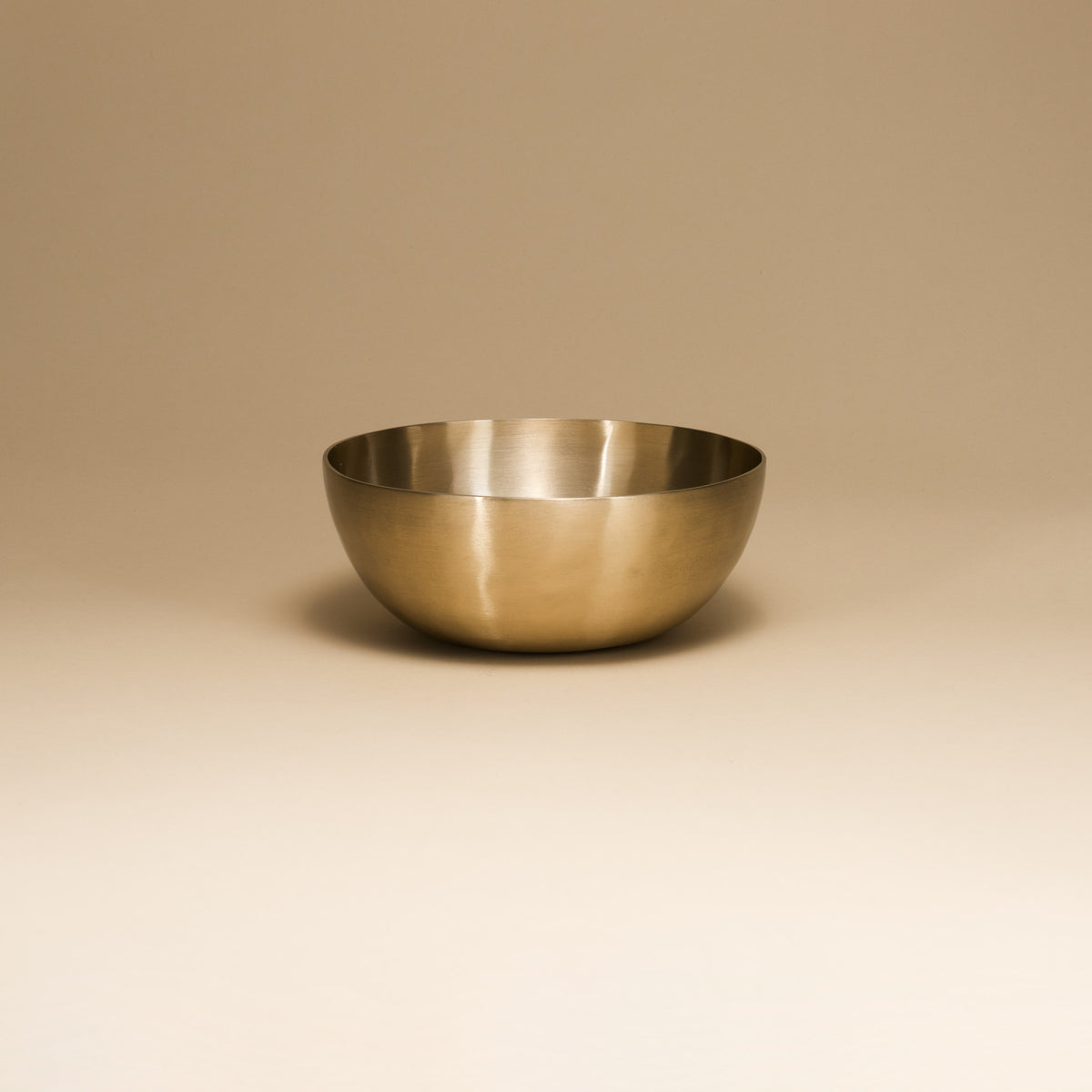
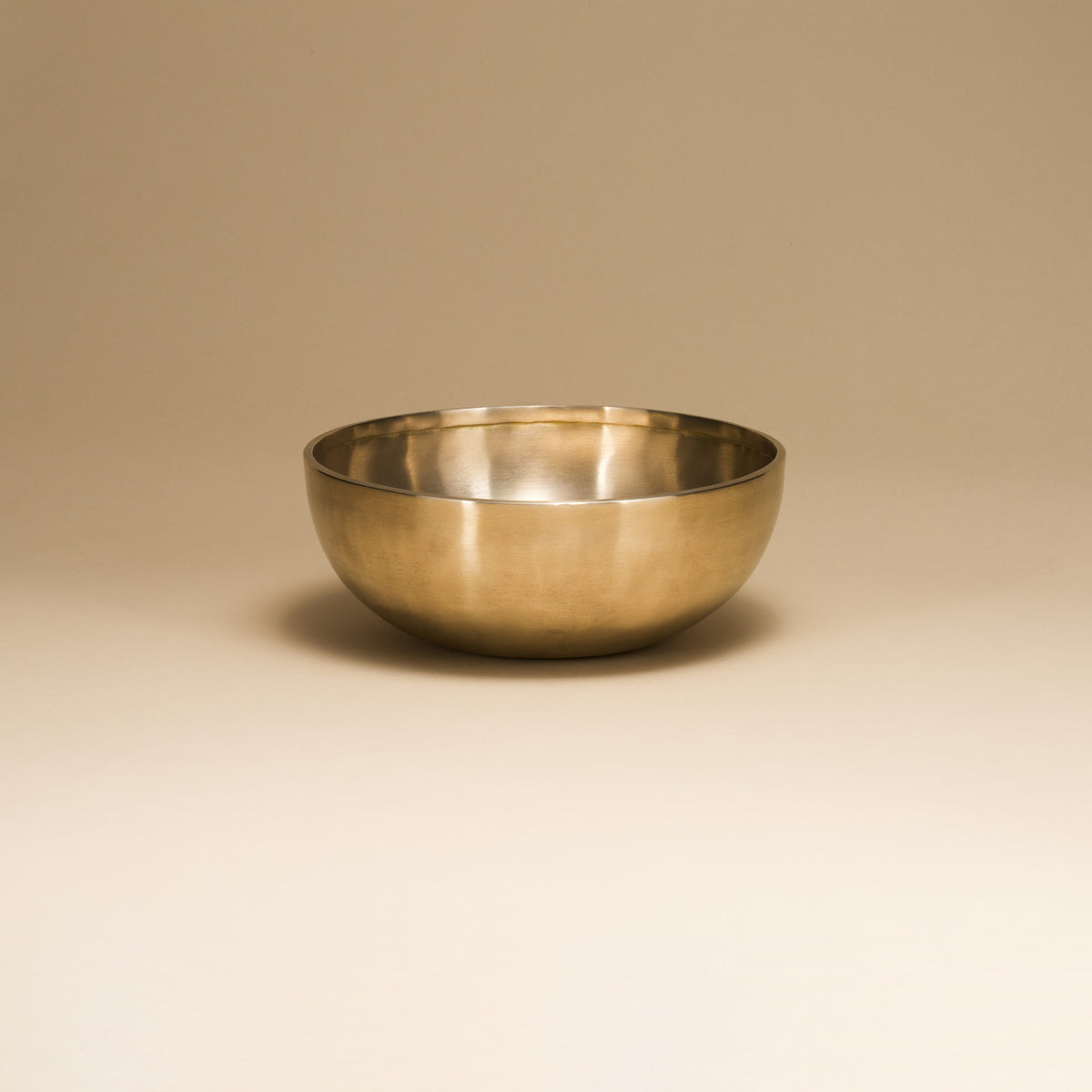
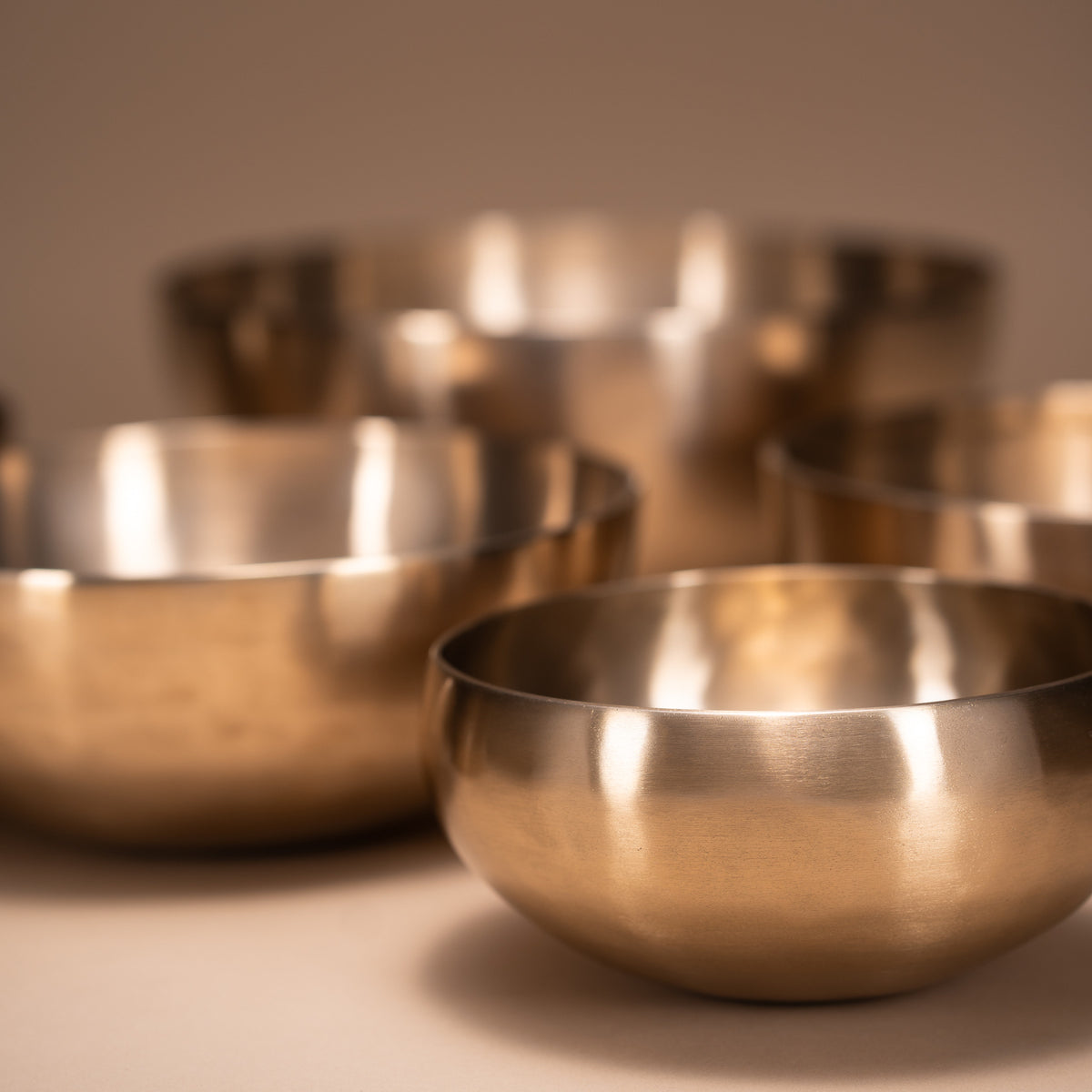
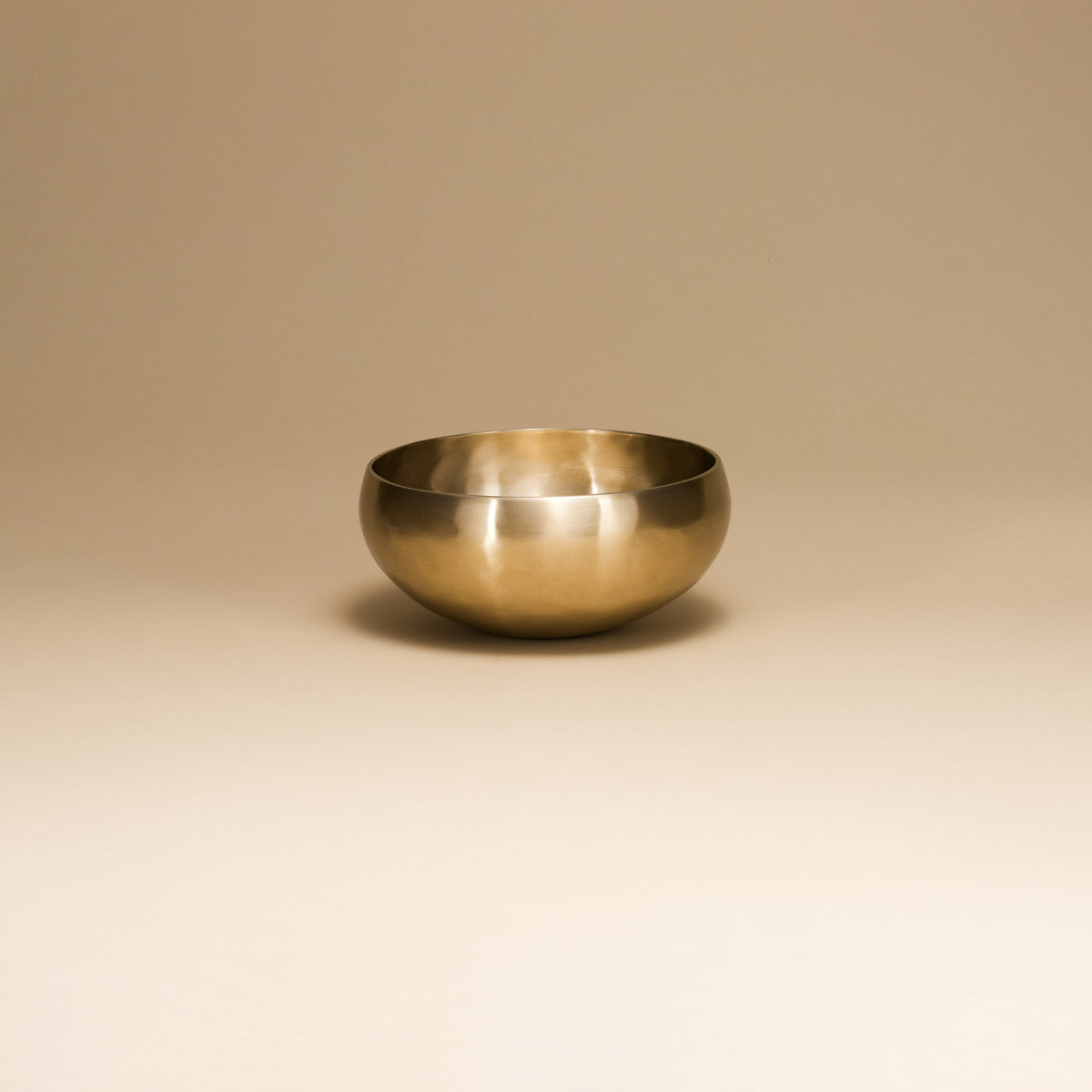
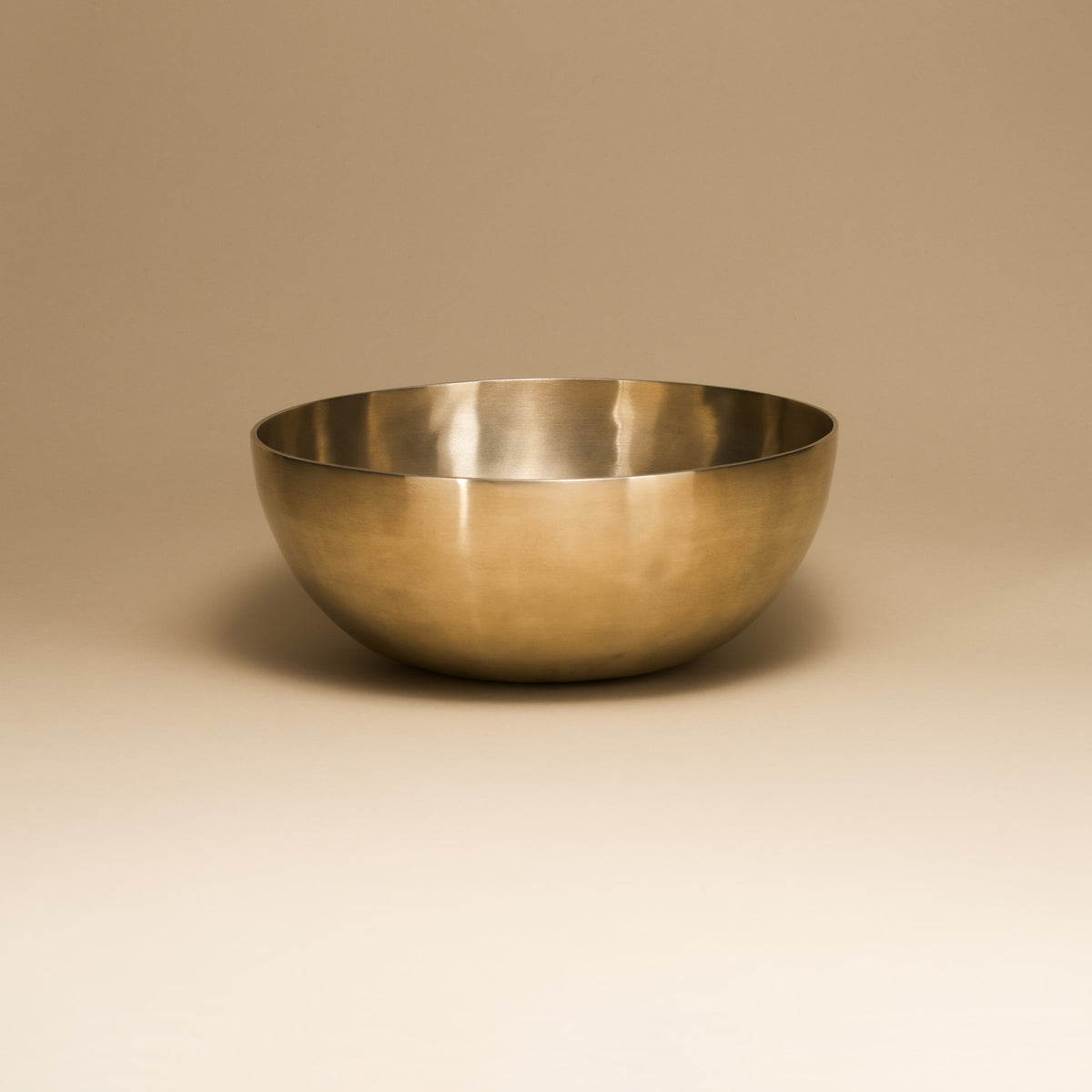
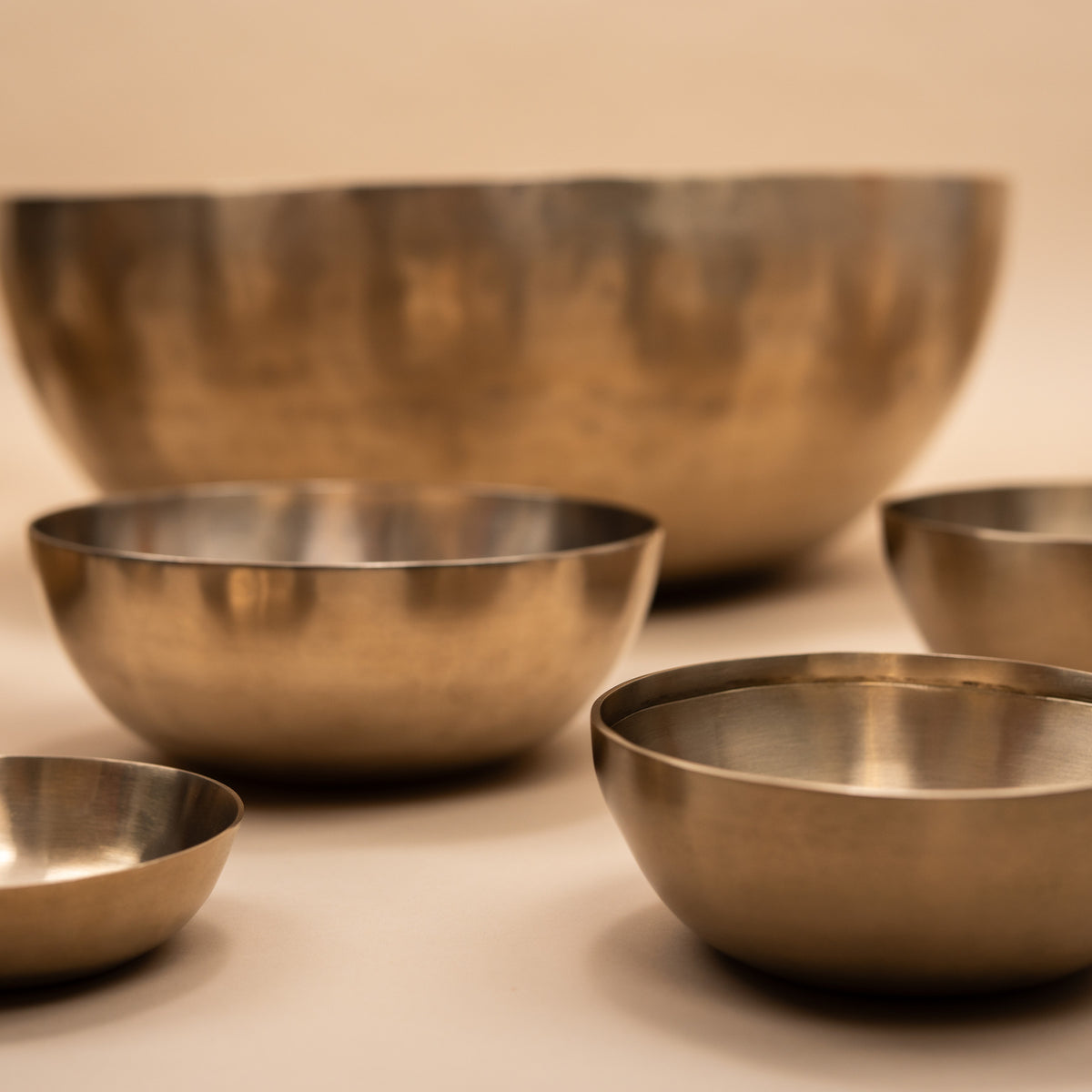
In sound therapy, singing bowls are primarily used as instruments. The Peter Hess® Therapy Singing Bowls were specifically developed for sound massages. They are known for their special vibration and sound properties. For different body areas, there are various types of singing bowls such as the Pelvic Bowl, Heart Bowl, or Universal Bowl.
Learn about the manufacturing process
The production of a Peter Hess® Therapy Singing Bowl is an enormously complex process. In our article "Manufacturing of Peter Hess® Therapy Singing Bowls" you get a deep insight into the numerous work steps, the materials used and our strict quality controls.
The Gong is also frequently used as an instrument in sound therapy, as it also provides deep relaxation. Like singing bowls, gongs originally come from Asia and were used there in rituals and ceremonies. There are different Gong types that differ in shape, sound and material. The sound of a Flat Gong, which is often used in sound therapy, is voluminous. When striking it, a deep, penetrating fundamental tone unfolds and ensures that clients are grounded.
These instruments are predominantly used in sound therapy:

Are there training courses in the field of sound therapy?
The Peter Hess® Institute (PHI) offers various training courses in the field of sound therapy. The training and further education concepts of Peter Hess® Sound Therapy were developed with therapists who have integrated sound into their work for many years and have experienced the synergy effect of profession-specific therapy and sound therapy for the benefit of their clients.
Peter Hess® Sound Therapy for healing professions includes the training courses "Sound Therapy Companion" as an entry level and "Peter Hess® Sound Therapist" as a specialization level. The therapy training courses relate to both body-therapeutic and body-psychotherapeutic content. Therapeutic processes can take on a solution-oriented direction through this work and often experience a new dimension.