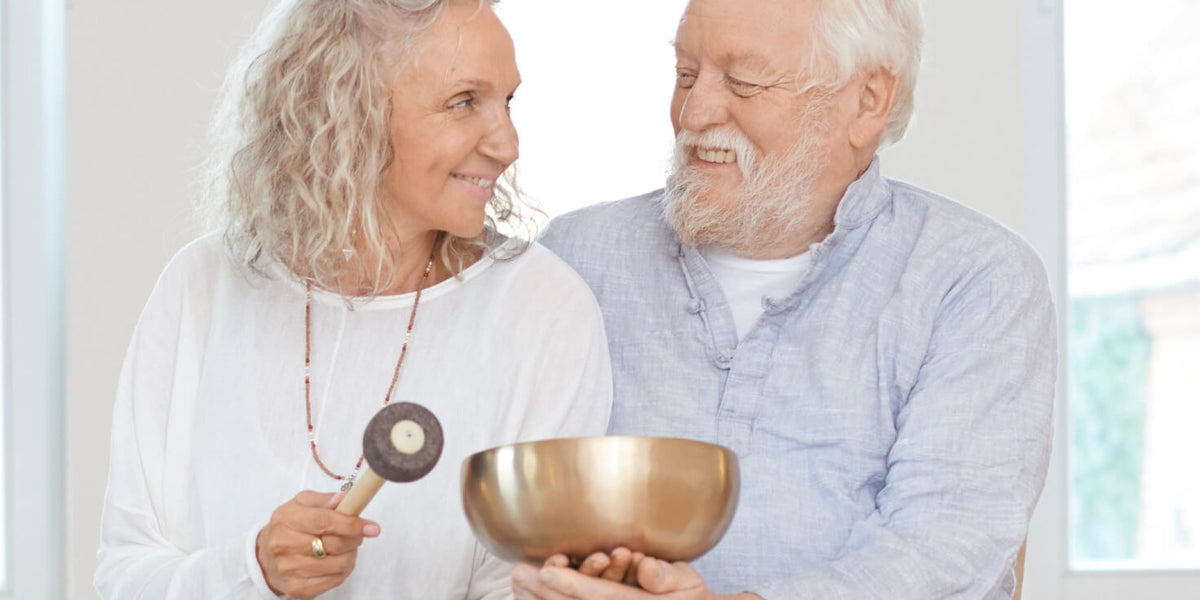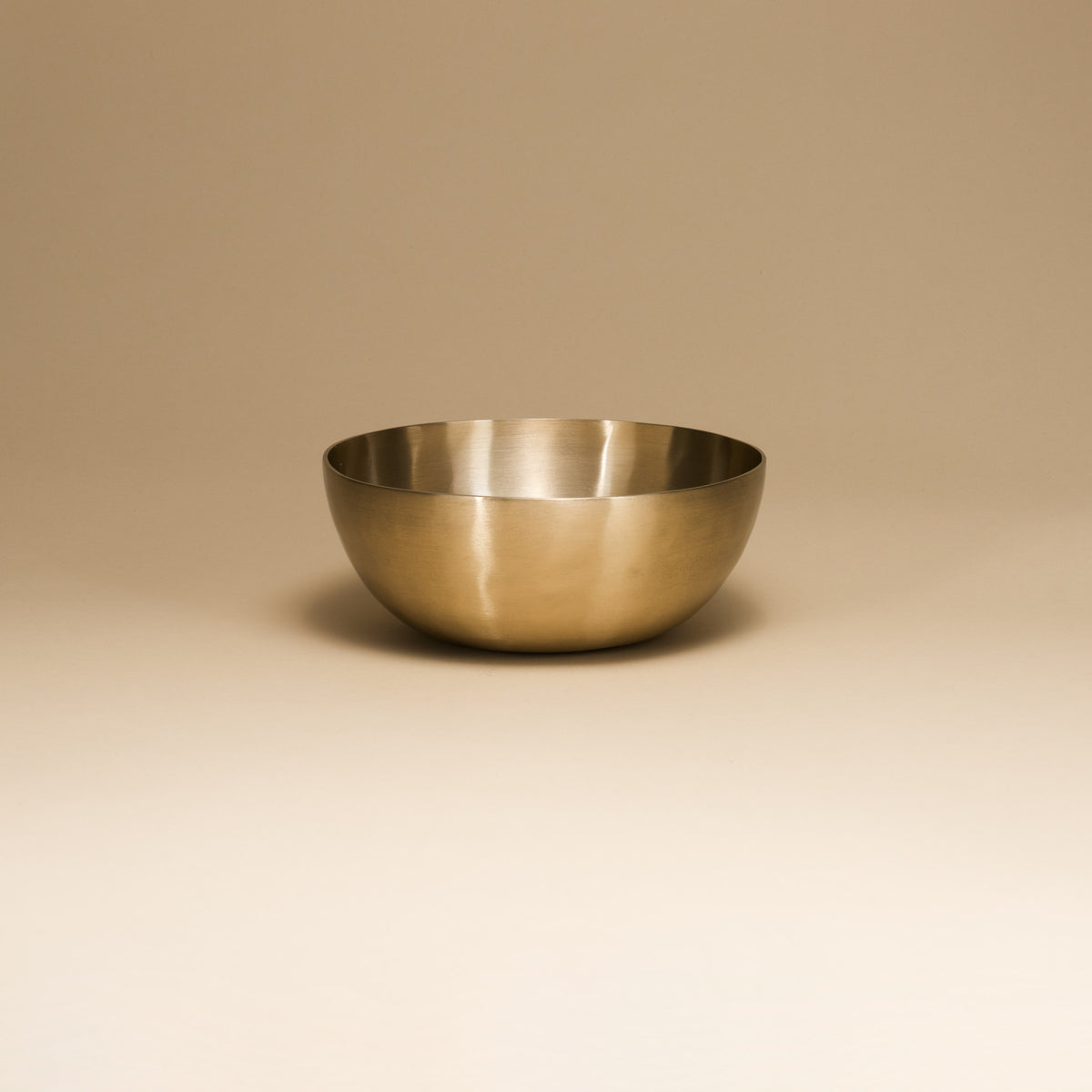
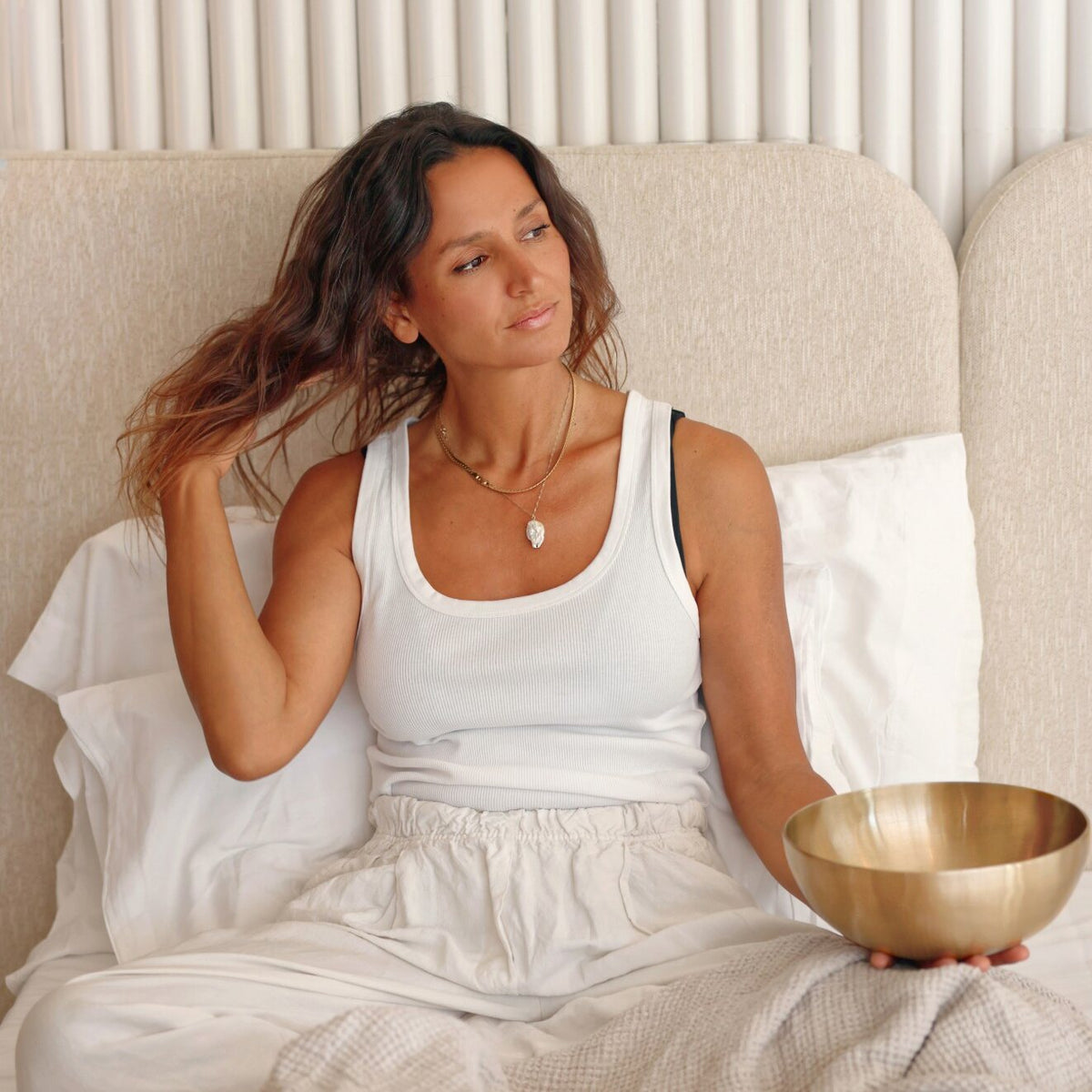
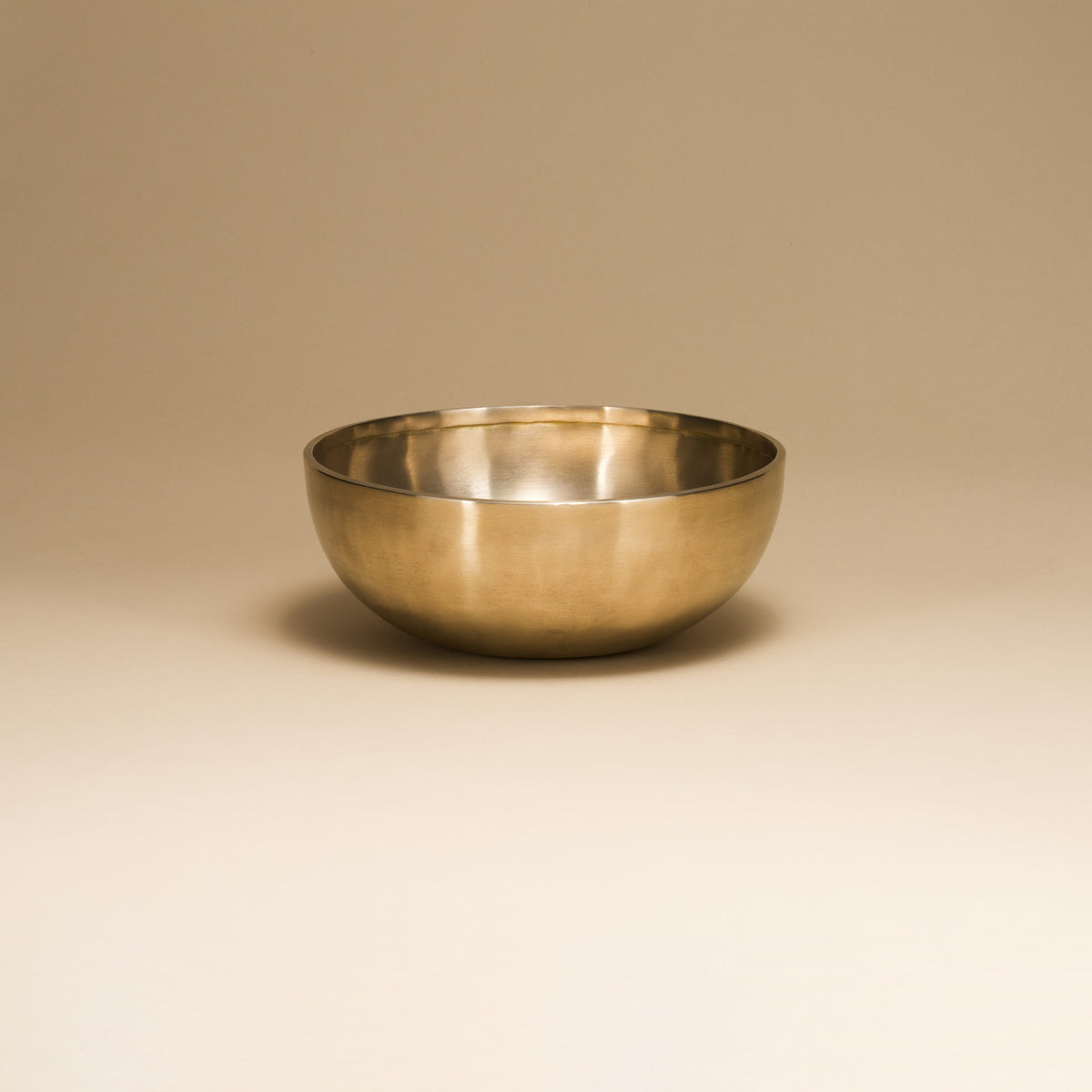
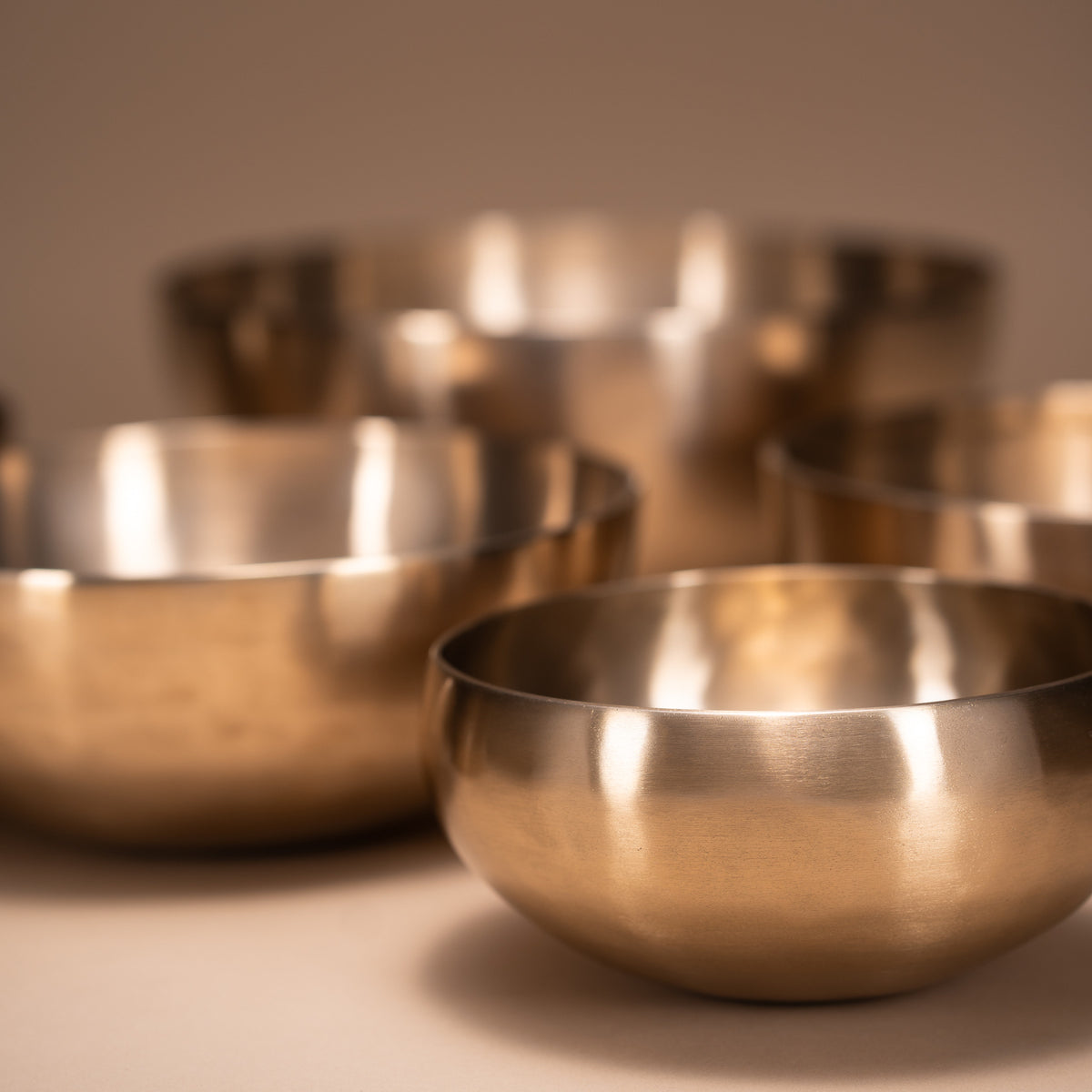
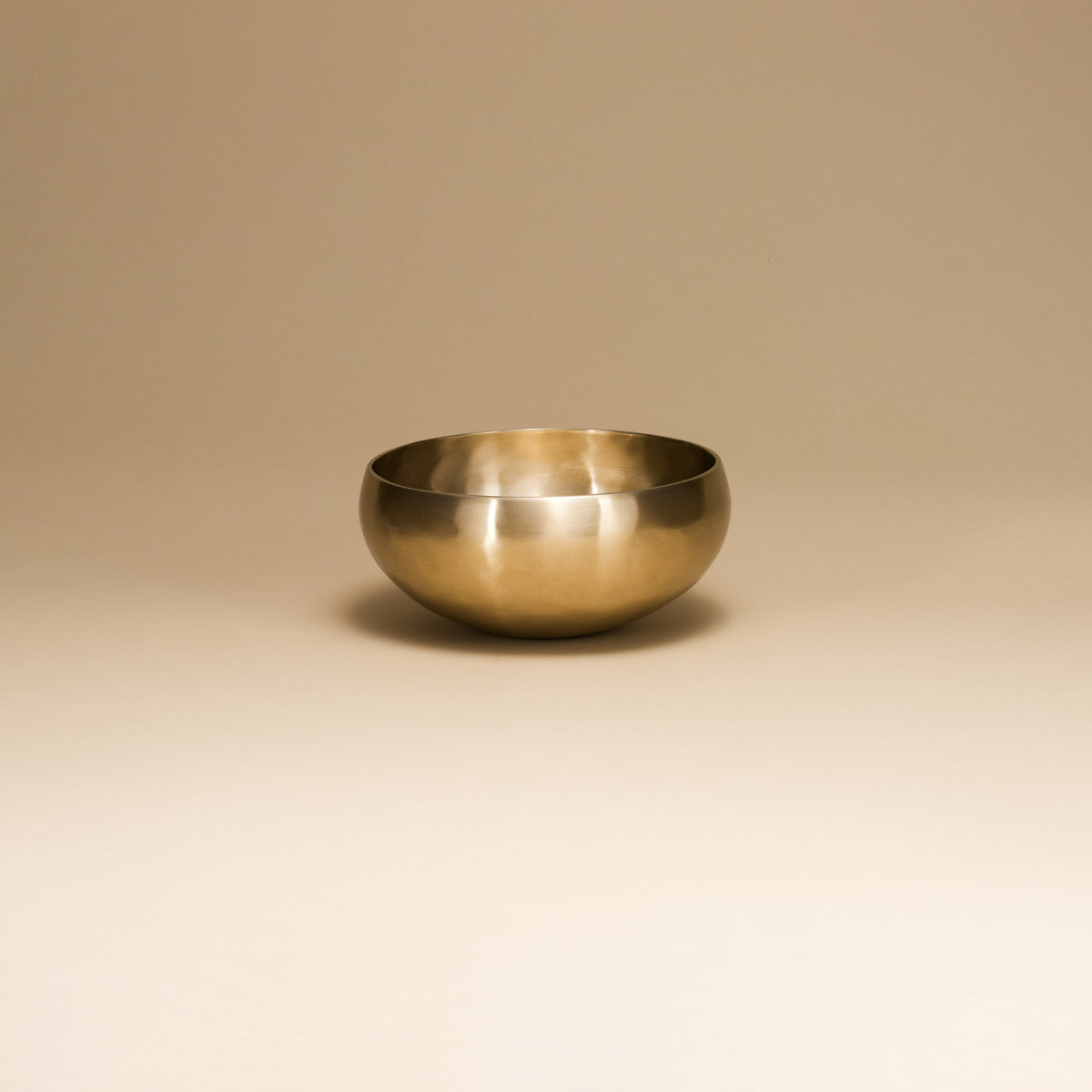
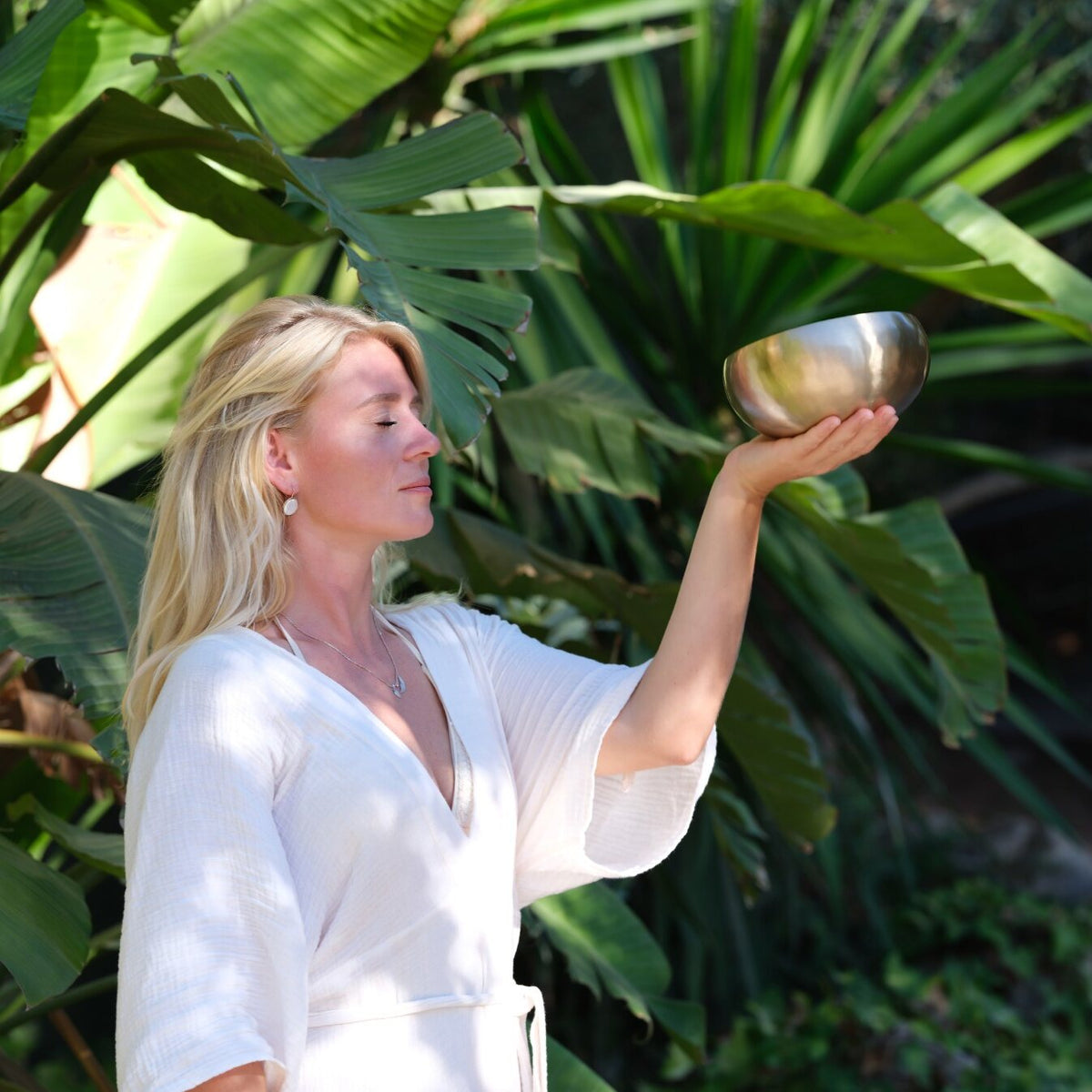
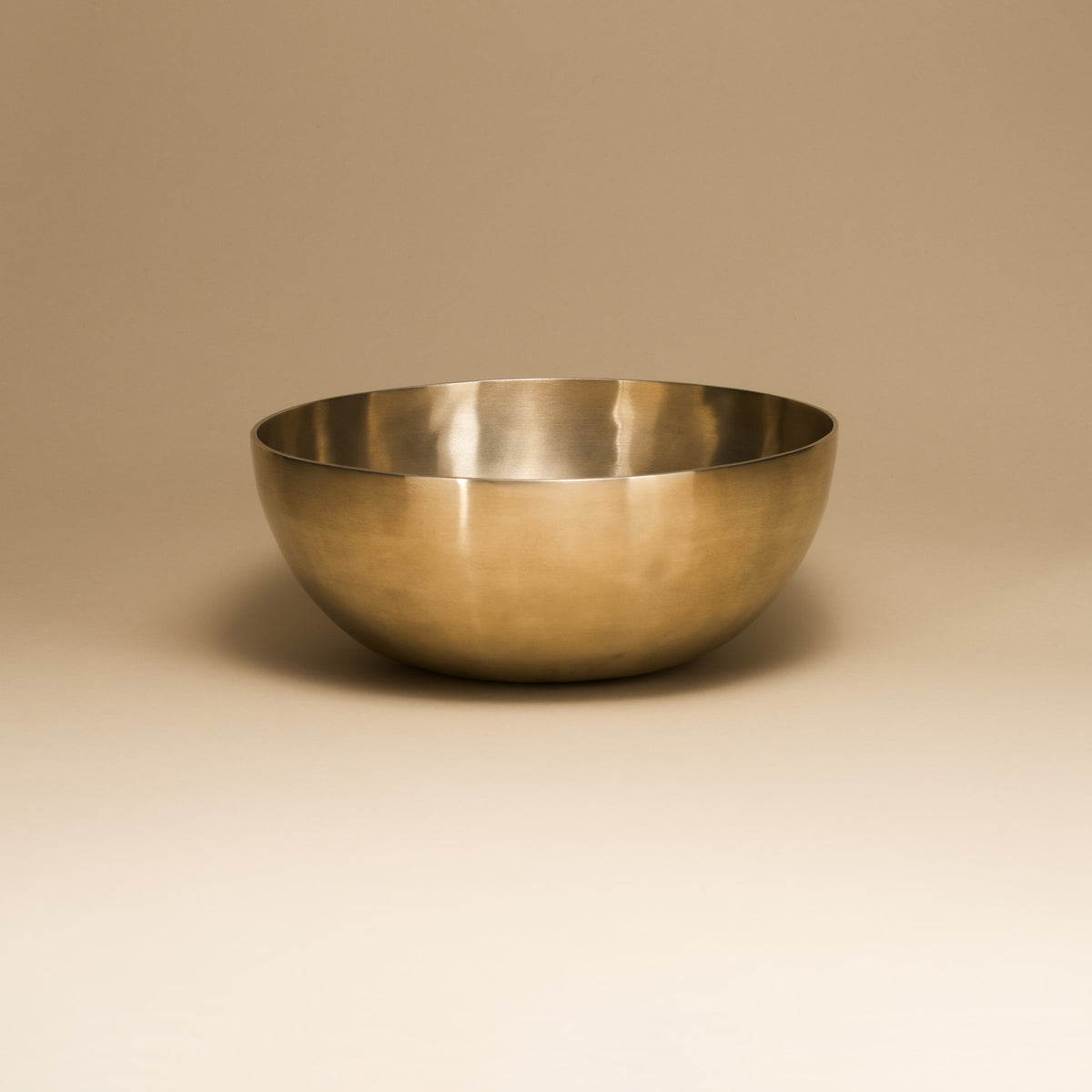
Playing singing bowls is not only about hearing the different tones, but also about perceiving the vibration created by singing bowls or gongs. Only this interplay makes it possible for us to leave everyday life behind and focus entirely on the meditative moment. If you would like to engage further senses at the same time, you can enhance the relaxing effect by also using essential oils, so that you can enjoy calm in all its facets and forget the stress of everyday life. Scent and sound complement each other very well. Here we explain how you can incorporate essential oils into your everyday life in a meaningful way and combine them effectively with sounds and meditation.
What are essential oils?
There are countless plants on earth, each of which is truly special in its own way. They differ in color, size, shape and also in scent. Of all these plants, several thousand carry compounds within them that cannot be detected with the eye. This is where the German word "ätherisch" comes from, which translates as "the heavenly". Essential oils are hidden in the flowers, leaves and even roots of plants. They are volatile substances, so called not because their scent lasts only a short time, but because of the rapid spread of the individual scent particles that make essential oils so intense. Plants originally developed essential oils to attract insects or ward off parasites. But we humans have also found ways to use the effects of essential oils for ourselves. Today, pure natural oils are gently extracted from plants, for example by steam distillation, and turned into high-quality fragrance extracts.
What effects can essential oils have?
We perceive essential oils through the nose. With the help of our olfactory receptors, they are passed on to the brain, where they immediately activate neurotransmitters that release serotonin or endorphins, for example. Which neurotransmitters are addressed by the transmission of the scent depends above all on the choice of essential oil. Essential oils can therefore have a calming or invigorating effect, for example, depending on which oil you choose. The release of various messenger substances also makes a physical reaction possible: when the body releases serotonin, you benefit not only from the resulting feeling of well-being, but also from the pain-relieving and anti-inflammatory effect of this messenger substance.
Essential oils can also unfold their effect when applied to the skin. When you wear the scent on your skin, perception is often heightened. An essential oil develops a particularly intense scent especially at the points on the body where you can feel your pulse from the outside. The oils penetrate the tissue quickly and take effect right there. However, allergic reactions can also occur. So always test essential oils before use by putting a drop of oil in the crook of your arm and waiting about 3 hours. If you do not notice any reaction, you can apply the oil drop by drop. It is advisable to use essential oil very sparingly; one drop on the skin is enough.
How can sound exercises be combined with essential oils?
Traditionally, many cultures have used an interplay of sound and scent. And today, too, you can make use of the effect of essential oils when playing your singing bowls. Probably the best-known approach is to place a scent fountain filled with selected essential oils in the room. The oil spreading through the room can help promote your inner balance. With the help of essential oils, you can also enter even more deeply into the relaxation of the sound exercise.
Alternatively, you can place a scent cloth, sprinkled beforehand with a few drops of essential oil, directly on your skin. If you place the scent cloth near your head during a sound massage, for example, it becomes easier to let go of everyday life and you can focus entirely on your personal relaxation. If you also use a sound lounger, you can place the cloth directly on a strut near the head.
You can also create a pleasant scent experience with incense while you mindfully play your singing bowls. However, make sure to air the room well after burning incense and only then begin the sound meditation.

Relaxation and yoga exercises with essential oils
There are numerous meditation and yoga exercises that can be complemented with an essential oil. We have summarized the most popular exercises for you here:
- Relaxation exercise for a good night's sleep: Place the singing bowl on your belly just before falling asleep and gently begin to strike it. The vibration immediately triggers a relaxing effect that allows you to sleep deeply. If you complement this exercise with a scent cloth, sprinkled beforehand with a few drops of lavender oil and then placed near your head, an even deeper relaxation sets in.
- Seated yoga exercise (e.g. lotus position or seated twist): First choose a pure natural oil that matches your general mood or evokes the mood you would like to have. Then place a Pelvic Bowl or another singing bowl beside you. Now put 1–2 drops of the essential oil on the back of your hand and gently rub them into your skin. With your hands, draw a roof over your head, working your way from top to bottom. Then begin striking the singing bowl.
- Butterfly asana: Drip a few drops of the oil onto a cloth and place it on your chest. Then lie down with your spine on a roll or a bolster, place the soles of your feet together and rest your arms at your sides. The singing bowl, preferably a Heart Bowl for this exercise, stands on your heart area. Now strike it and enjoy the wonderful blend of sound and scent.
-
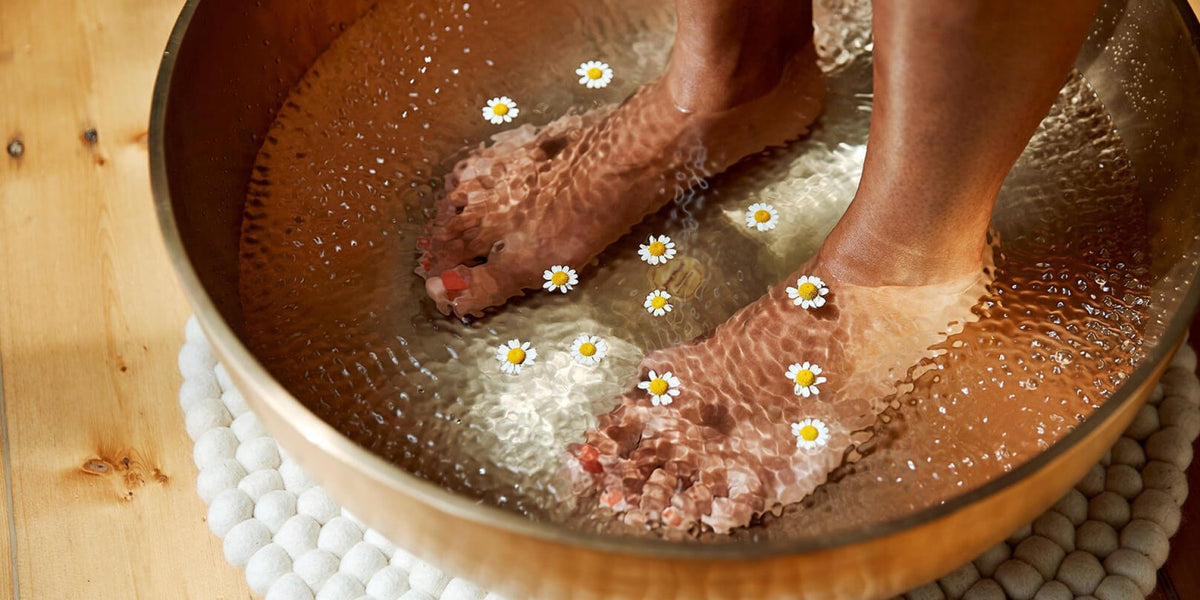
Foot bath with a singing bowl: For this exercise you need two kinds of oil: the essential oil and a so-called carrier oil. The carrier oil can be olive oil, almond oil or avocado oil, for example. What matters is that it is an oil that cares for the skin. Mix the carrier oil with 2 drops of essential oil and add this mixture to a singing bowl filled with water. Now place your feet in it and begin striking the singing bowl from the outside. You will quickly notice that the singing bowl foot bath not only cares for your feet, but also revitalizes your senses.
Can essential oils leave stains on my singing bowl?
Certain essential oils can leave stains, so we recommend not bringing the oil into direct contact with your singing bowl, unless you first fill the singing bowl with water and then drip a few drops of essential oil into it. After such use, you should rinse the singing bowl with water right away and dry it with a cloth. You should avoid very viscous oils such as vetiver. These are also not suitable for our scent fountain.
Which essential oils are suitable for your sound meditation?
Every essential oil can have its own effect on our body and mind. To help you make the right choice for your meditation with singing bowls, we have put together some special essential oils and their possible effects for you.
- Lavender: calming, antispasmodic, antibacterial, antiviral and anti-inflammatory
- Eucalyptus: refreshing, clarifying, uplifting, purifies the air
- Orange: balancing, mood-lifting, refreshing, warm, sweet
- Basil: herbaceous, sweet, fresh, green, uplifting, mood-enhancing
-
Grapefruit: fruity, fresh, supports concentration
Keep in mind that the effect is very individual and can vary from person to person. It is best to try out what suits you and the people you give sound to.

Sound and scent united: use their effect for yourself
Essential oils have been used by different peoples and cultures for centuries, often in combination with singing bowls, yoga and meditation. You too can use the effect of essential oils on your senses and enter a state of deep relaxation that becomes a wonderful experience for you through the interplay of sound, vibration and scent.