

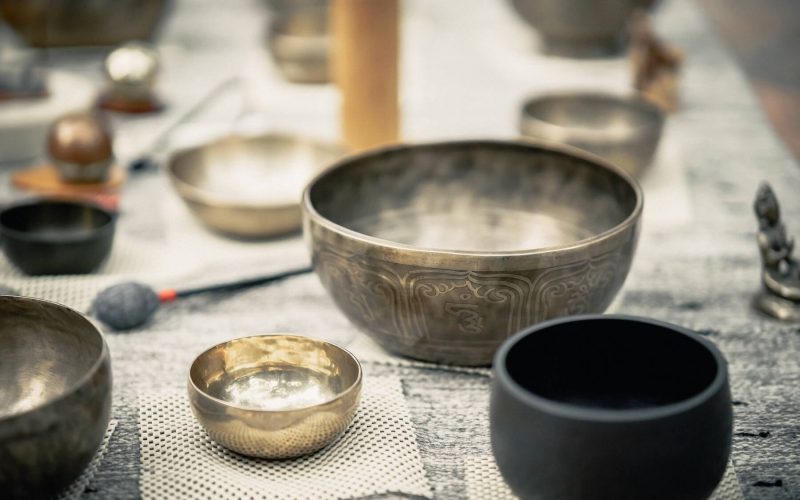
The history of singing bowls
Singing bowls originally come from East Asia: China, Japan, and Burma. They were often used as signaling devices and everyday objects. In addition, the metal bowls were also used in monasteri...
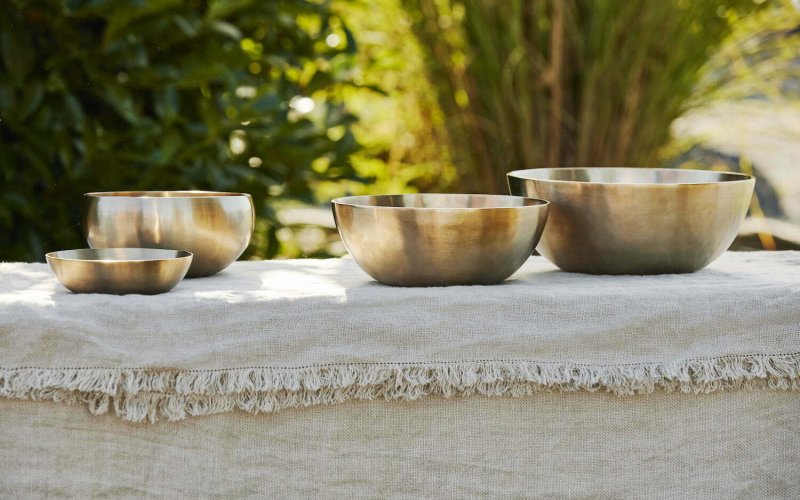
Overview of singing bowls for sound therapy
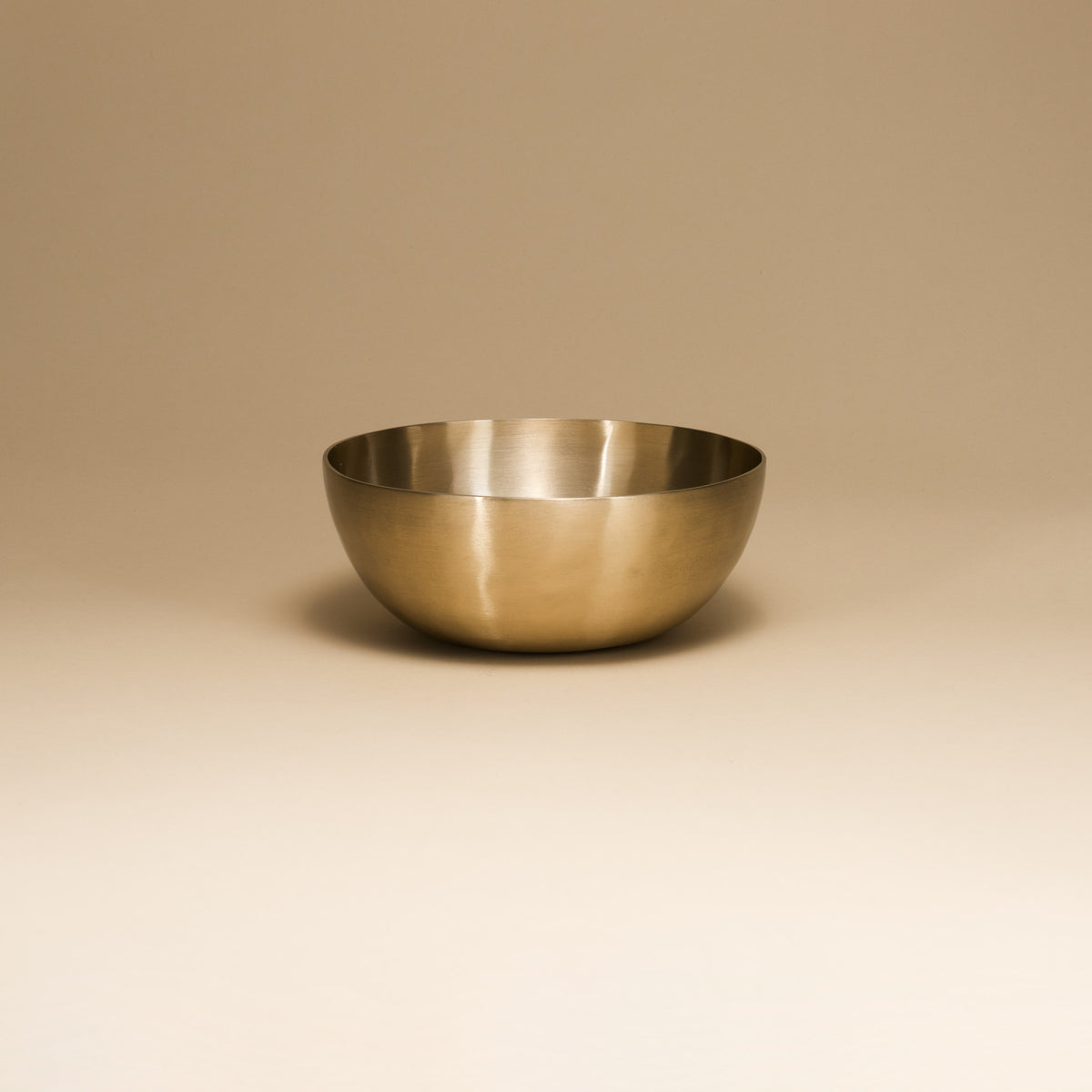
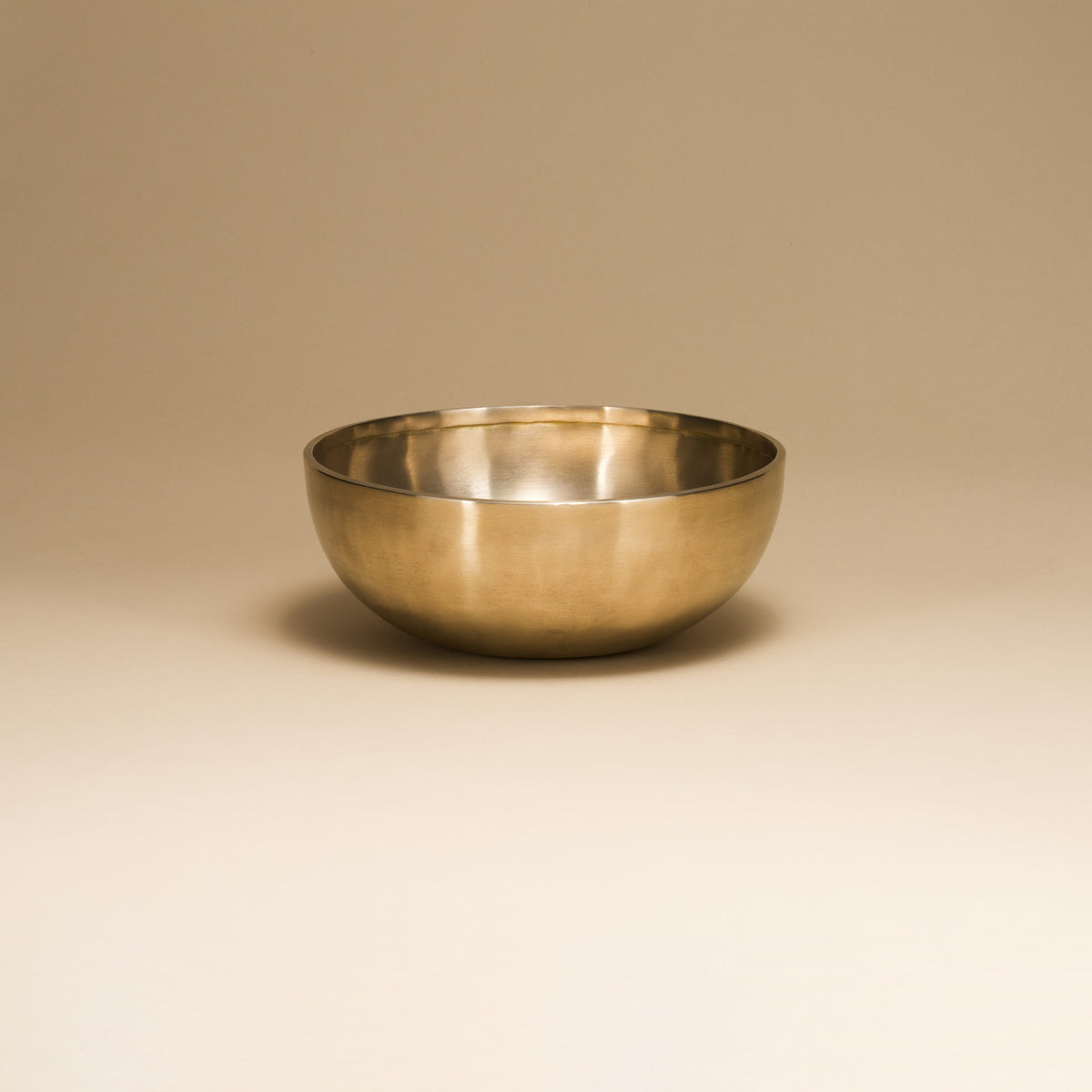
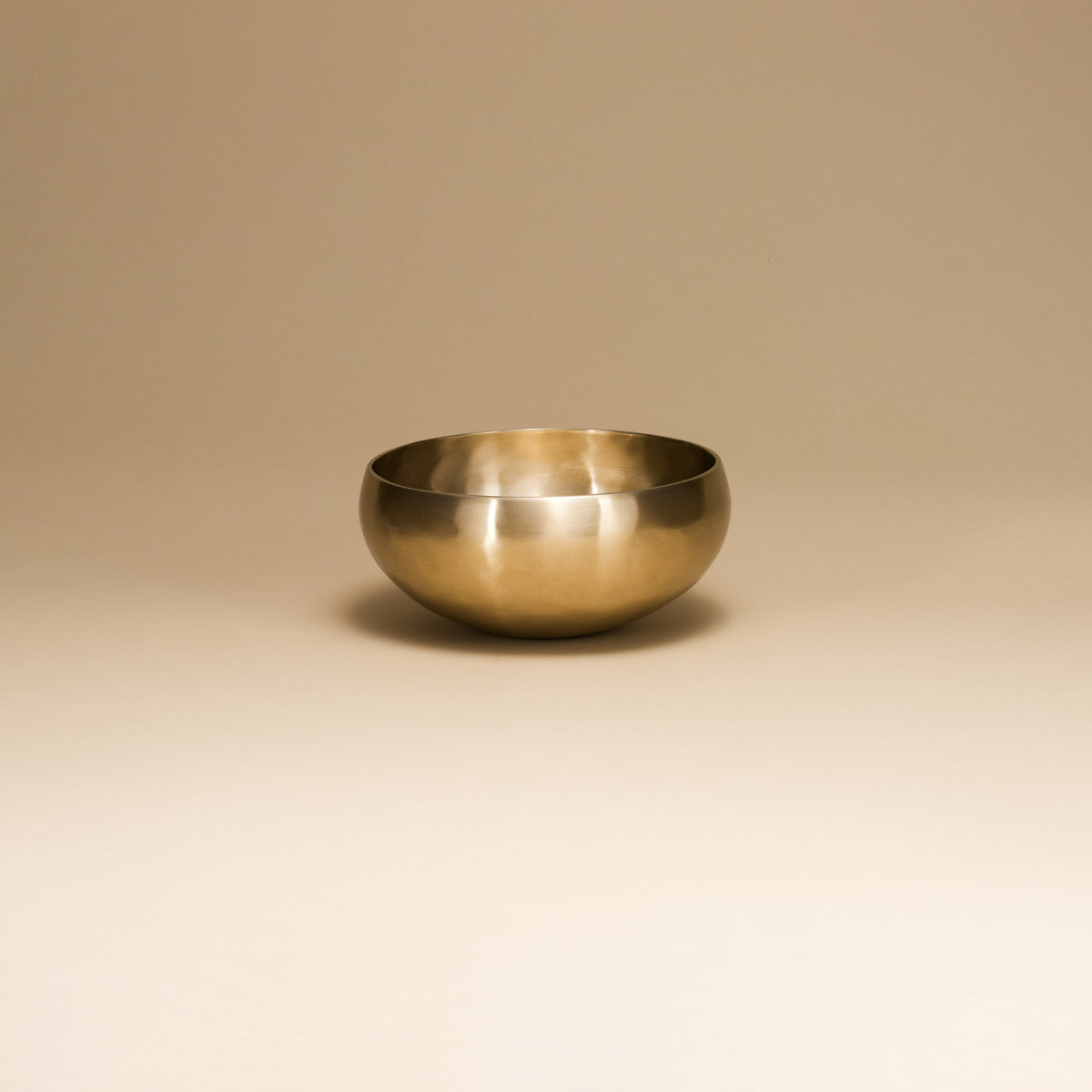
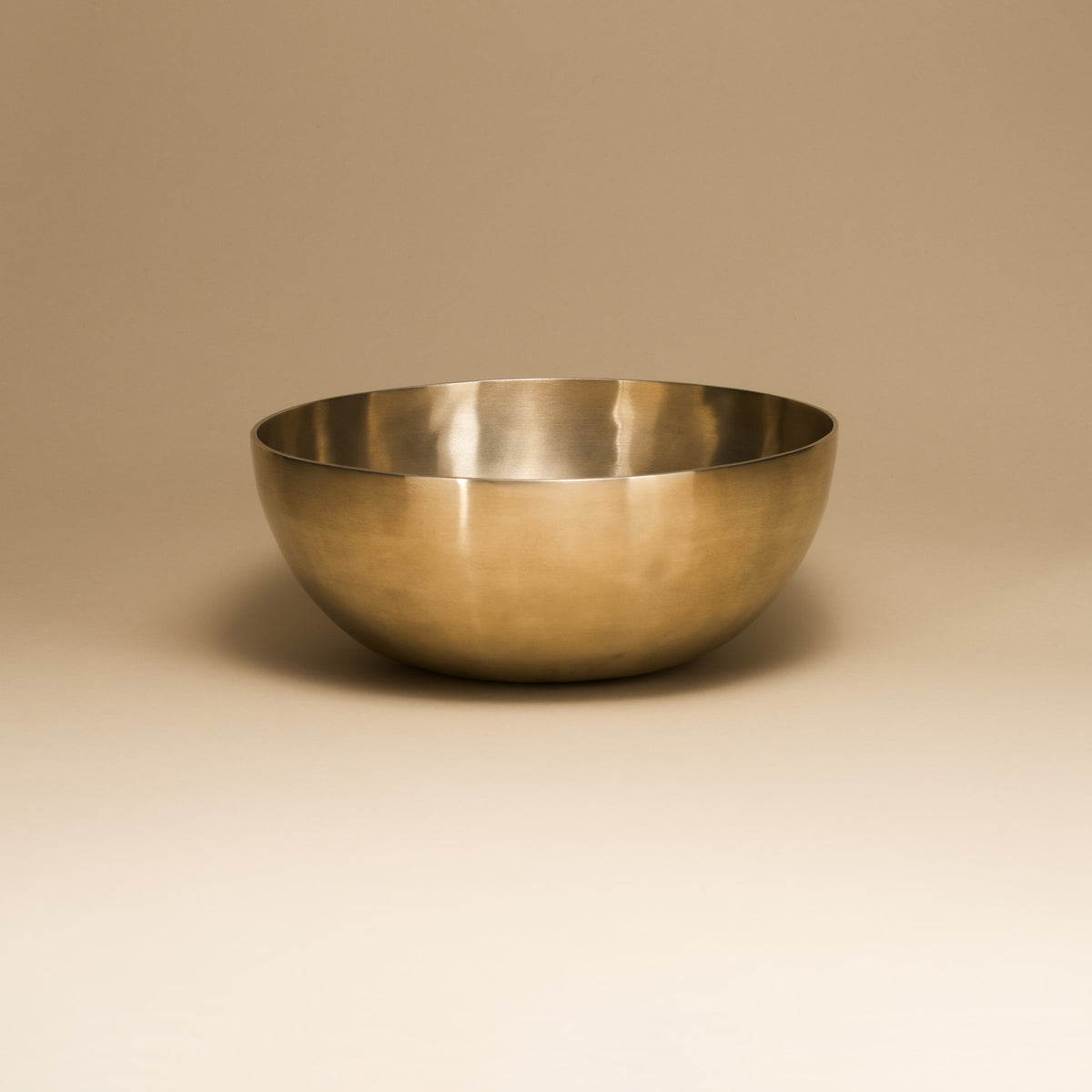
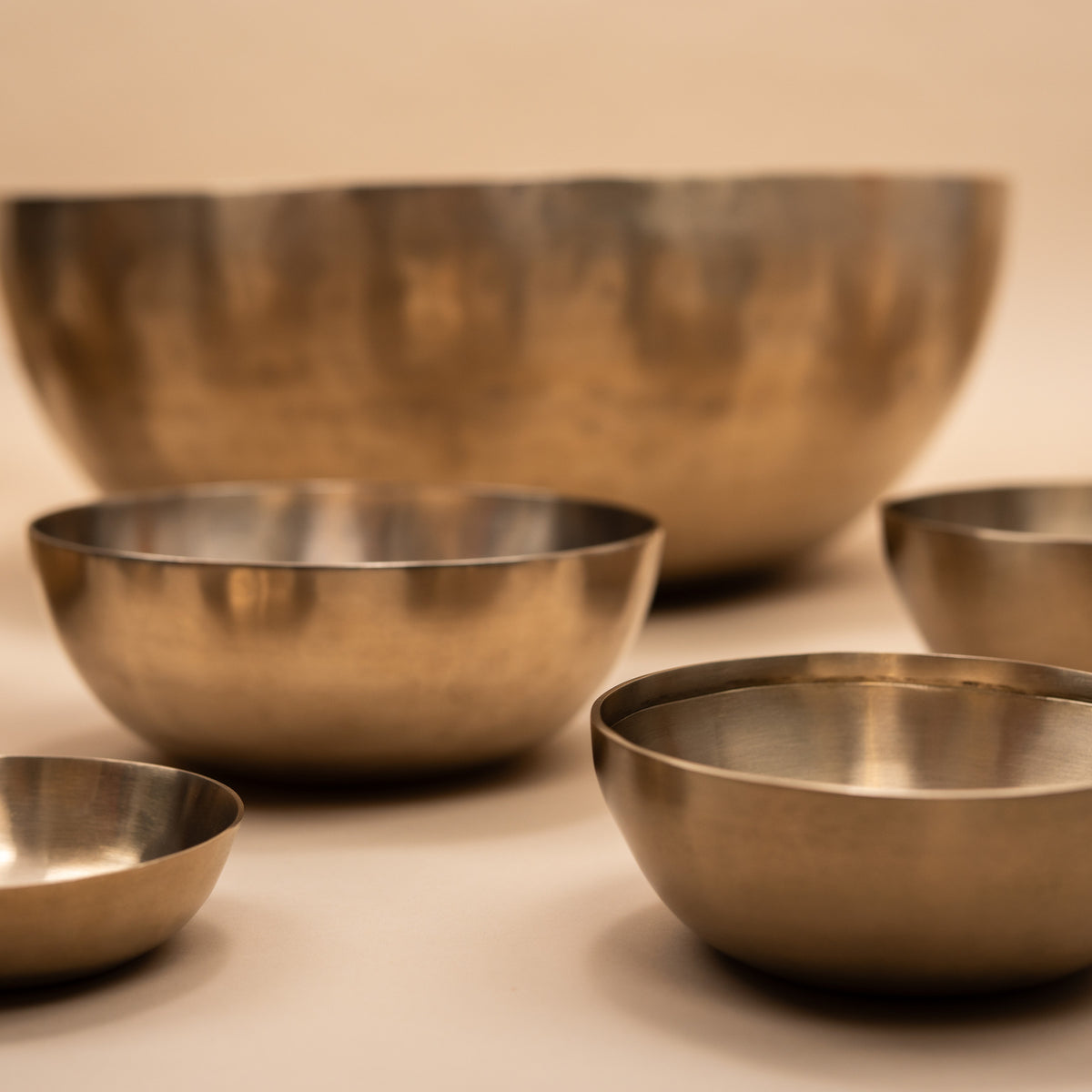
The Peter Hess® Therapy Singing Bowl series is perfectly tailored to the needs of the Peter Hess® Sound Massage and Peter Hess® Sound Methods. These singing bowls come in different singing bo...
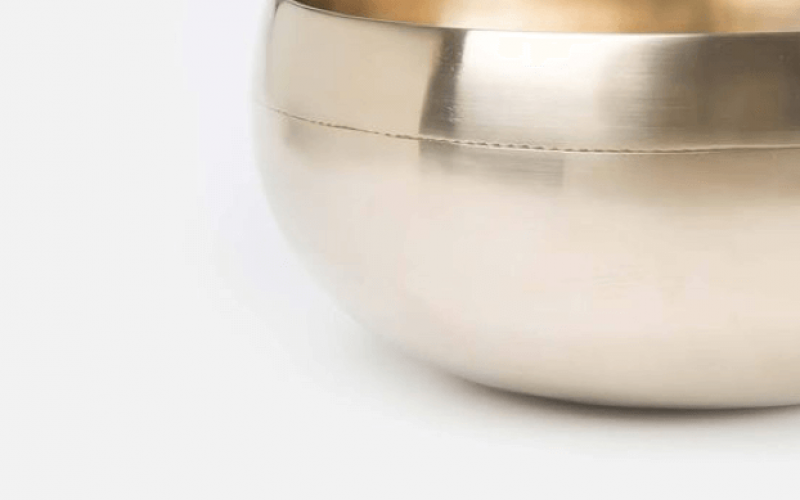
How to clean and maintain your singing bowl
Since a singing bowl is a tool that is often handled, the surface can become contaminated. The color of the bowl may also change over time. If you want to maintain the golden shine, you shoul...
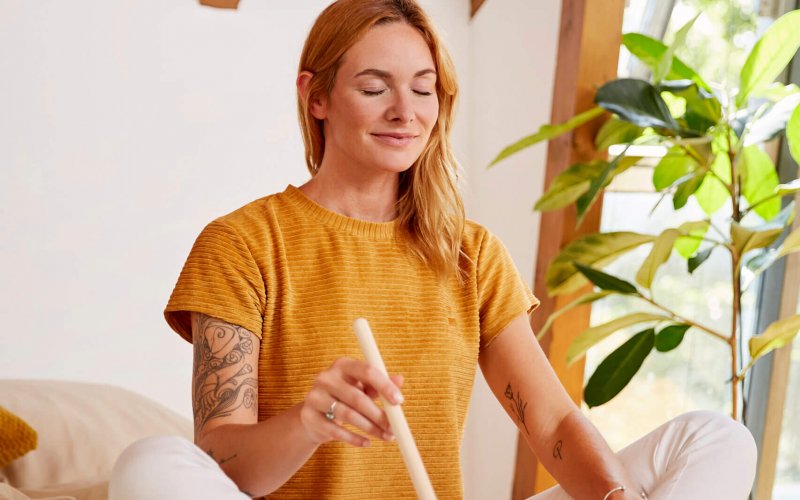
Singing bowl application
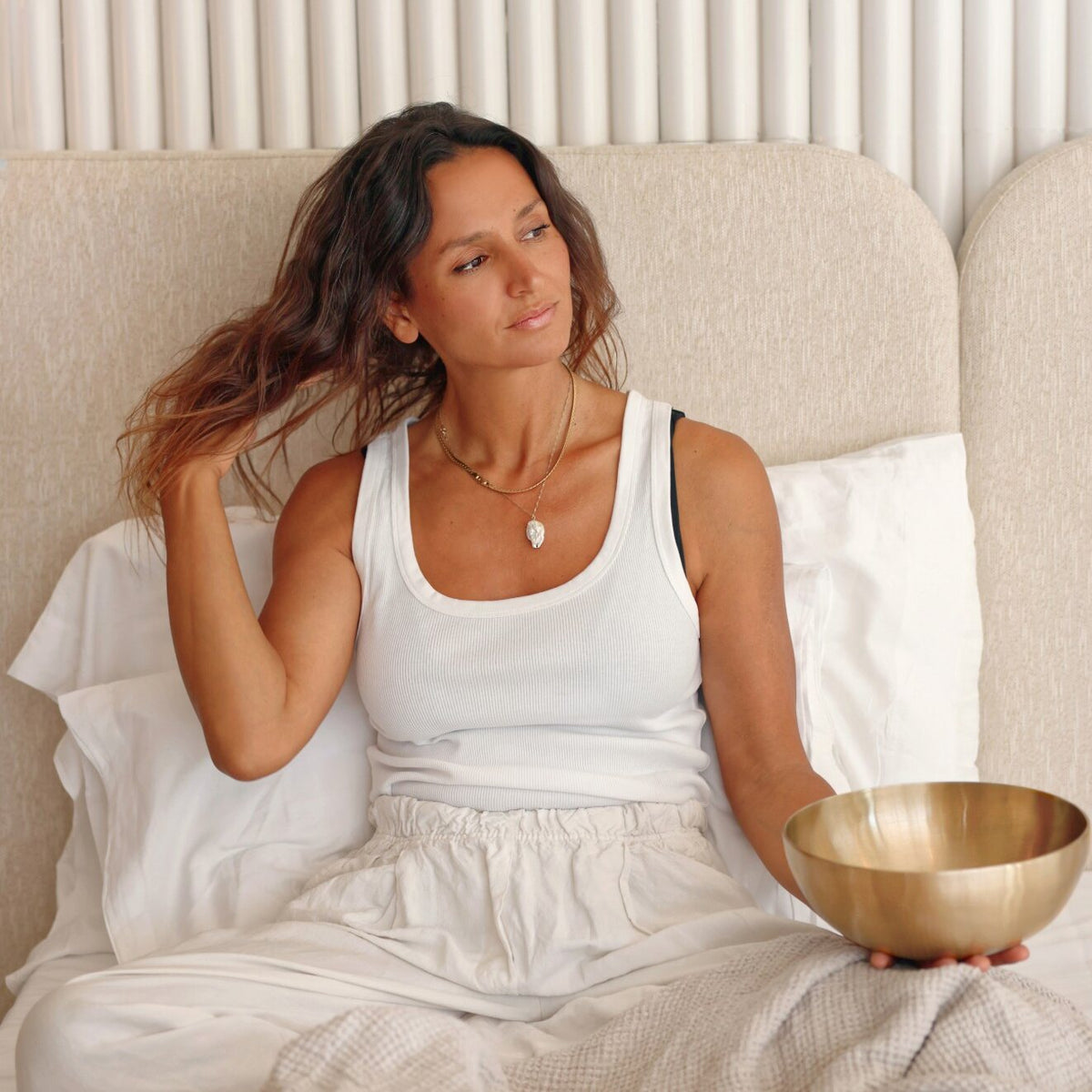
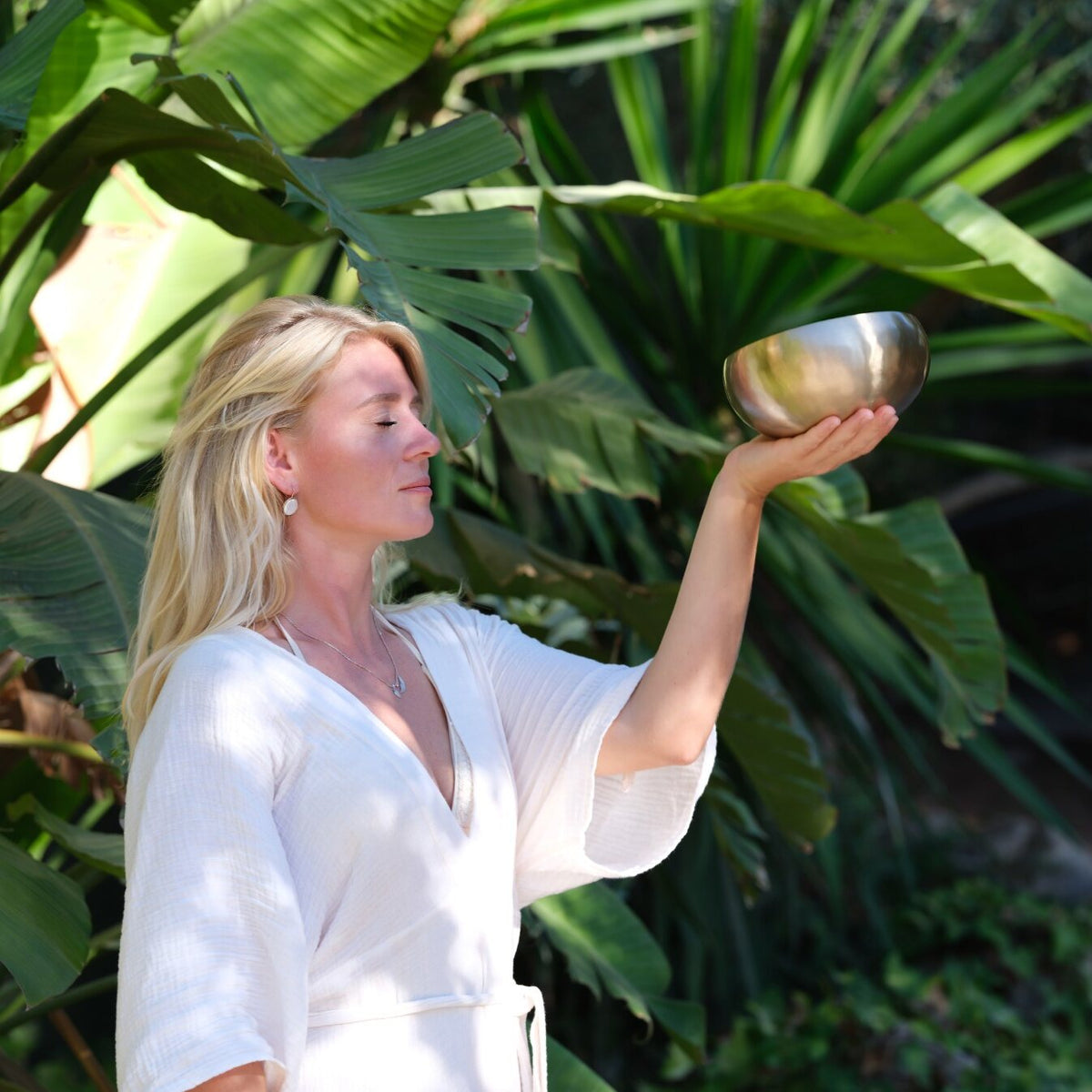
In order to enjoy the unique sound experience of a singing bowl, the right application is crucial. The singing bowl itself, its placement, the striking technique, the choice of mallet, the room: al...
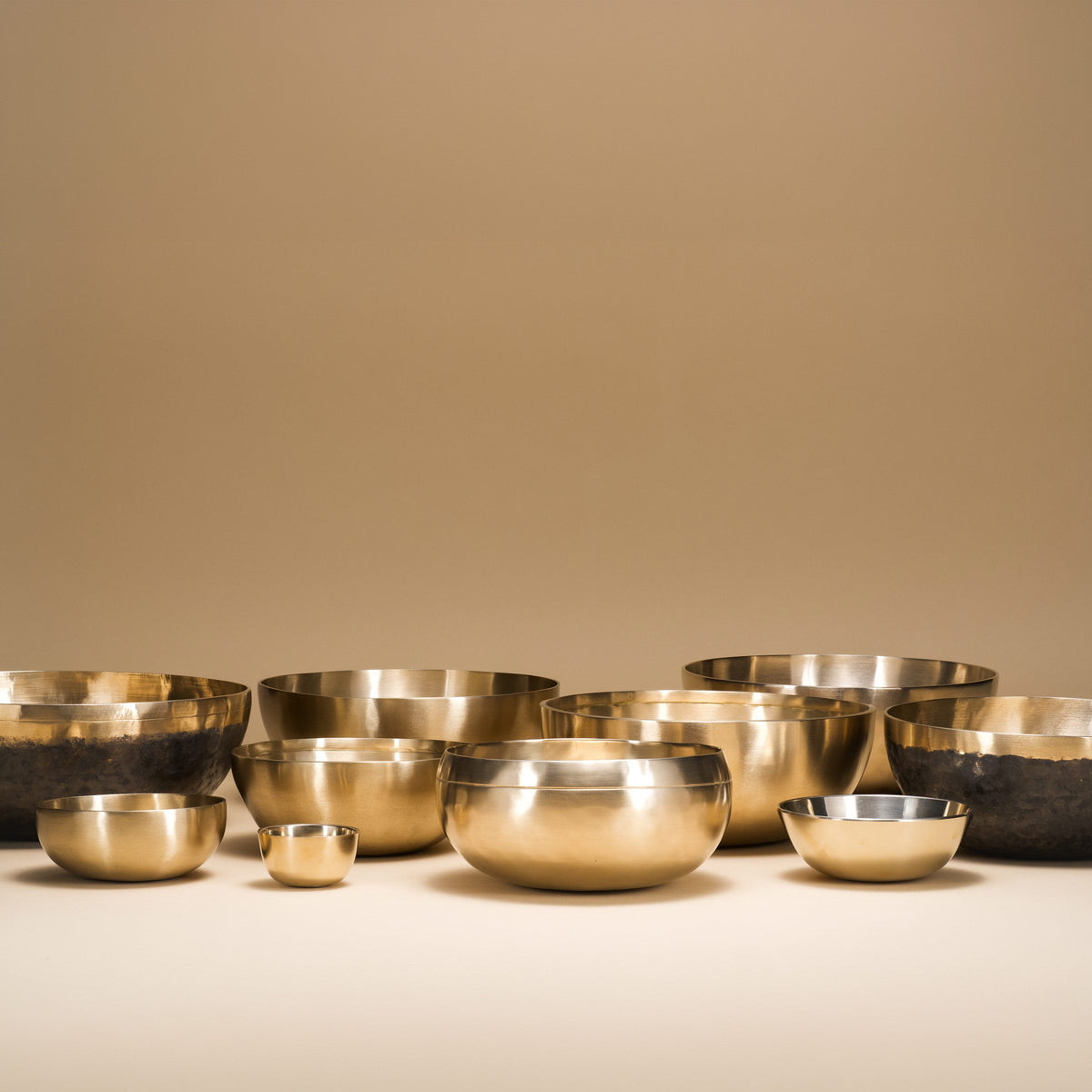
Types of singing bowls: which singing bowl is the best and right one for me?
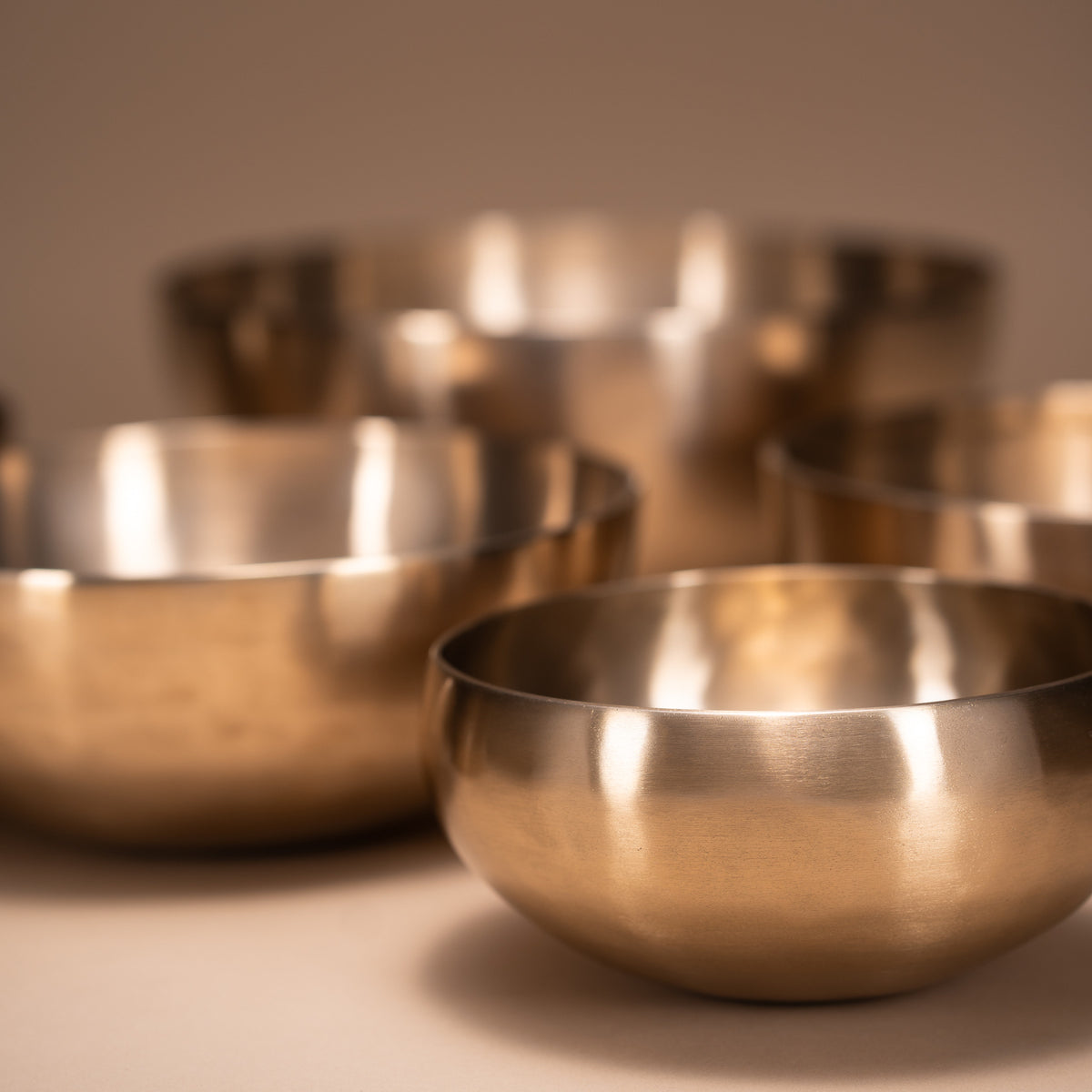
Singing bowls produce harmonious sounds through rubbing and striking that penetrate deep into the soul, body and mind. Singing bowls are available in different sizes and made from different m...
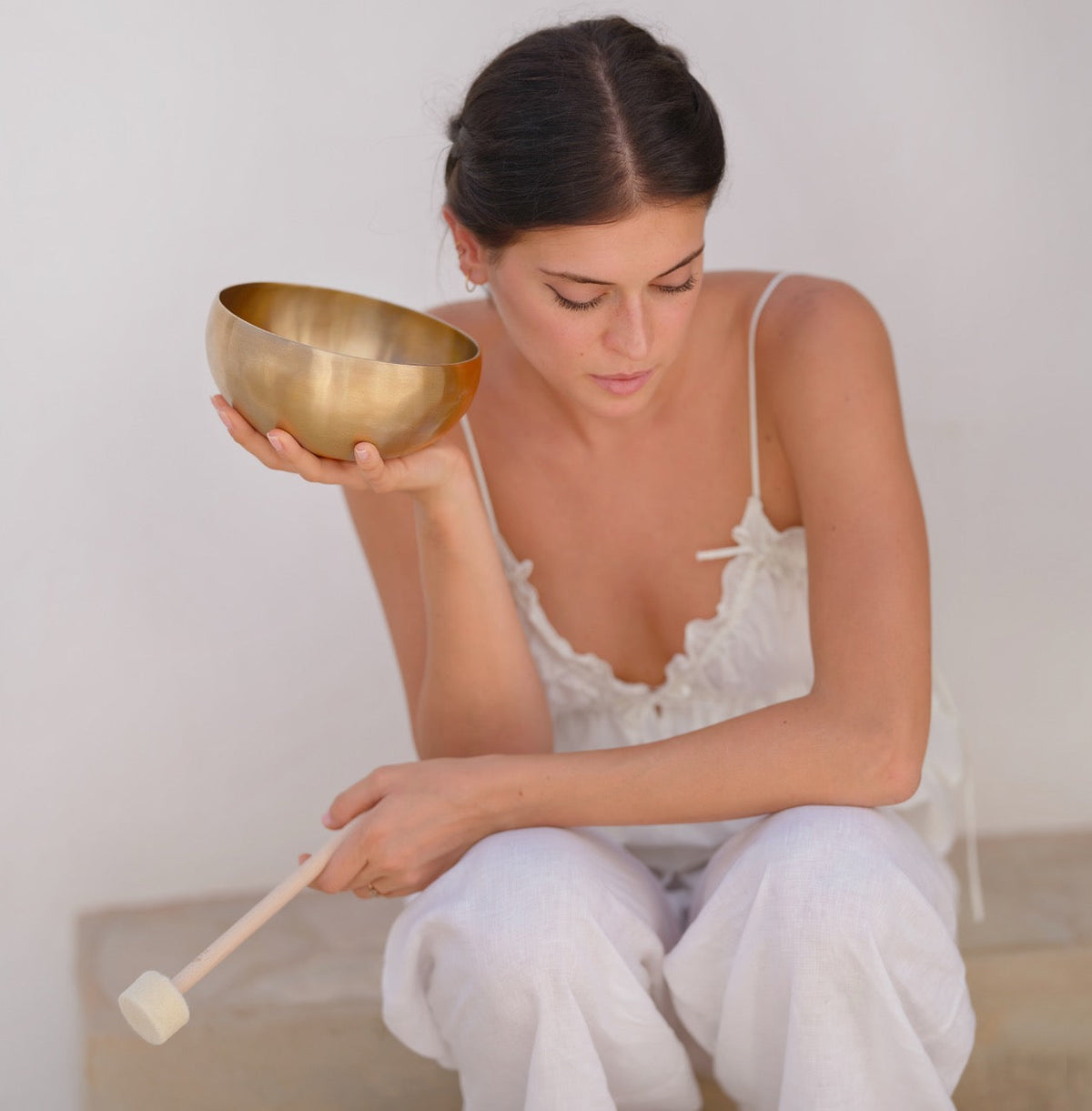
Singing bowl exercises: simple ideas for more relaxation
A sound exercise with a gong or singing bowl of just a few minutes a day is enough to strengthen your own physical, mental and emotional health in the long term. In this article, we introduce you t...
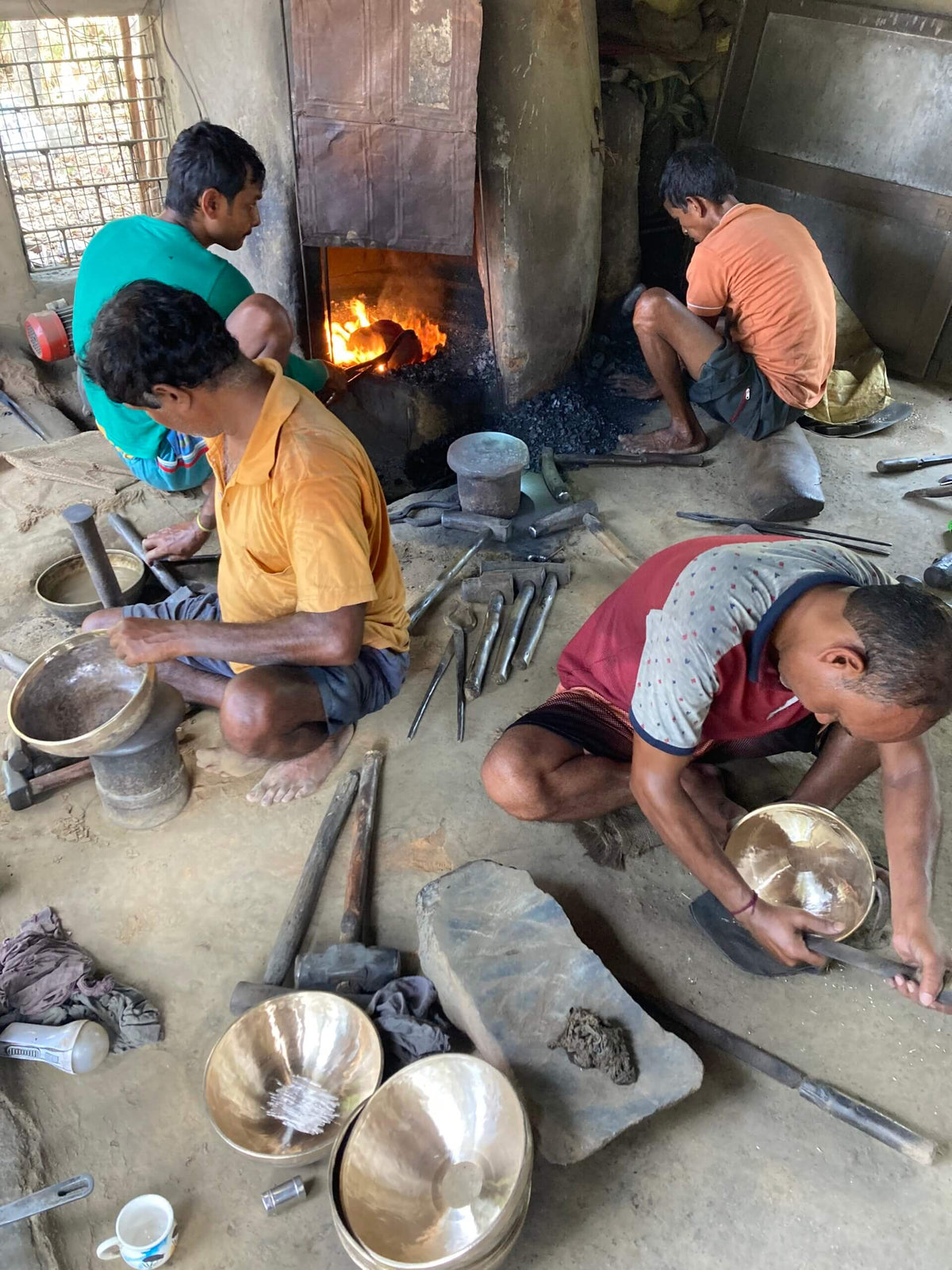
Production of Peter Hess® Therapy Singing Bowls
In the 1990s, Peter Hess began developing the Peter Hess® Therapy Singing Bowls together with partners in India and Nepal, because the good antique singing bowls he had previously selected carefull...